The Gastronomic Elevation of the Humble Sardine
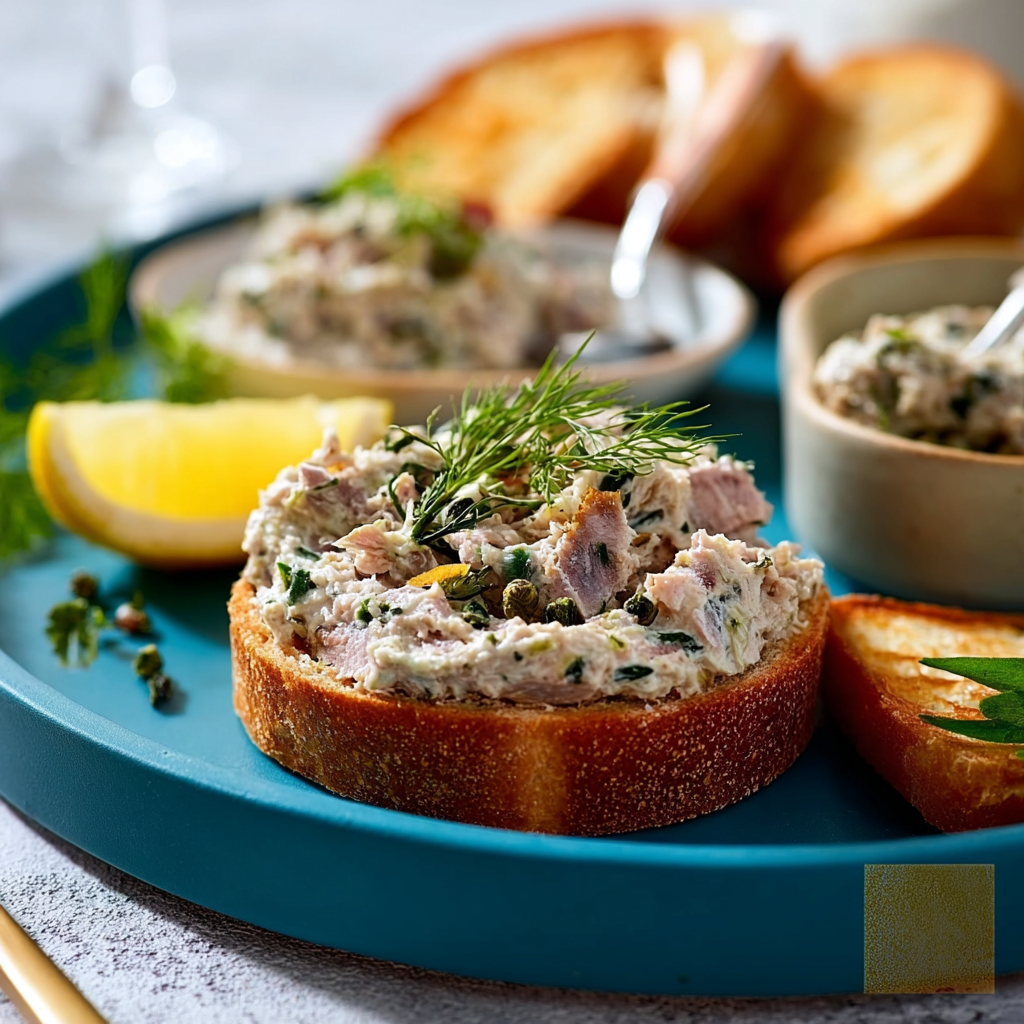
In the hierarchy of French charcuterie and hors d’oeuvres, Rillettes de Sardines Maison represents a sophisticated, sea-bound pivot from the traditional pork-based rillettes of Le Mans. While historically considered a “pantry staple” meal, the professional execution of sardine rillettes focuses on the delicate balance of high-quality lipids and sharp acidity. Data from culinary preservation studies highlights that sardines are among the most nutrient-dense fish available, boasting a higher concentration of Omega-3 fatty acids and Vitamin D than many “premium” white fish, making this dish as nutritionally functional as it is gourmet.
The hallmark of a superior rillettes is its texture—a harmonious “shredded” consistency that is spreadable yet structural, avoiding the homogenous, pasty mouthfeel of commercial fish spreads. By integrating cultured butter or high-fat cream cheese with the natural oils of the sardine, you create an emulsion that carries aromatics like shallots and capers with exceptional clarity.
The Essential Mise en Place: Ingredients and Technical Specs
A professional result begins with the selection of the “vintage.” Just as wine improves with age, high-quality canned sardines in extra virgin olive oil develop a more tender bone structure and deeper flavor over 1-2 years.
The Foundation
- Premium Canned Sardines (2 tins / approx. 250g): Opt for sardines preserved in extra virgin olive oil or au naturel. Discard the processing liquid if it is not of high quality, but retain a tablespoon of the oil for the emulsion.
- The “Binder” (4 oz / 115g): A combination of softened unsalted butter and full-fat cream cheese (or Petit Suisse for a more authentic French tang).
- Acidic Brightness: The juice and zest of half a large organic lemon. The citric acid is vital for “cutting” through the oily richness of the fish.
The Aromatic Profile
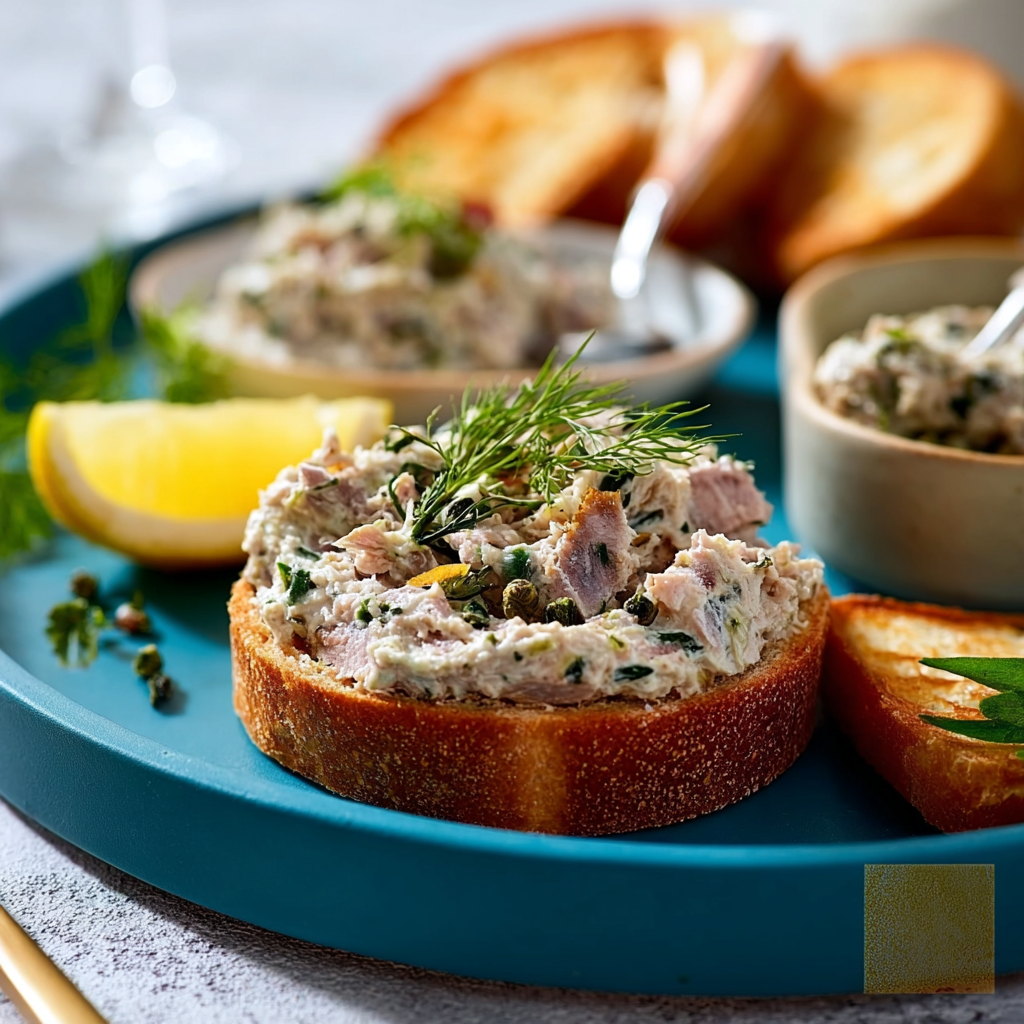
- Shallots (1 small): Finely minced (brunoise). Shallots offer a more delicate, wine-like sweetness than standard onions.
- Capers (1 tbsp): Rinsed and roughly chopped. These provide “salt bursts” that contrast the creamy base.
- Fresh Herbs: A generous handful of chives or dill, finely chopped.
- The “Kick”: A pinch of Espelette pepper or a dash of Tabasco for subtle heat.
The Masterclass: Step-by-Step Culinary Execution
Phase 1: Prepping the Protein
Open the tins and carefully remove the central bone if it is large, though in high-quality sardines, these are edible and calcium-rich. Place the fillets in a chilled ceramic bowl. Use a fork to gently flake the fish. Pro Tip: Avoid a food processor; the heat from the blades and the high speed will turn the delicate fish into a “mousse,” destroying the rustic “shredded” texture that defines a true rillettes.
Phase 2: The Creamy Emulsion
In a separate small bowl, whip the softened butter and cream cheese together with the lemon zest and juice until smooth. Fold in the minced shallots and capers. This ensures the aromatics are evenly distributed before they meet the fish.
Phase 3: The “Folding” Technique
Gently fold the cream mixture into the flaked sardines. Use a lifting motion rather than a stirring motion to preserve the integrity of the sardine flakes. Incorporate the fresh herbs at the very end to prevent them from bruising or oxidizing.
Phase 4: The Maturation (Resting)
Transfer the rillettes to a glass jar or ramekin. Smooth the top and refrigerate for at least 2 hours. This resting period is non-negotiable; it allows the butter to re-solidify, creating the characteristic “spreadable” structure, and lets the shallots macerate in the lemon juice, softening their sharp bite.
Common Technical Pitfalls to Avoid
- Excessive Moisture: If your sardines were packed in water, ensure they are thoroughly patted dry. Excess water will cause the emulsion to “break,” resulting in a weeping spread.
- Over-Salting: Canned sardines and capers are inherently salty. Always taste the mixture before adding extra sea salt.
- Serving Temperature: Never serve rillettes straight from the fridge. Let them sit at room temperature for 15 minutes before serving so the butter softens slightly, releasing the full aromatic bouquet of the fish.
Conclusion: The Ultimate Aperitif
Rillettes de Sardines Maison is a testament to the elegance of simple, high-quality ingredients handled with restraint. By prioritizing texture over speed and acidity over salt, you transform a humble tin of fish into a centerpiece worthy of any formal apéritif. Whether served on charred sourdough or endive leaves, it remains a timeless classic of the French coastal kitchen.
Frequently Asked Questions (Q&A)
Q: Can I use fresh sardines instead of canned?
A: You can, but they must be grilled or poached first and meticulously deboned. Canned sardines are actually preferred for rillettes because the canning process softens the small bones and intensifies the umami flavor.
Q: How long will homemade rillettes keep?
A: Because of the high fat content and the acidity of the lemon, they stay fresh in the refrigerator for up to 3–4 days. Ensure the container is airtight to prevent the fish from absorbing other fridge odors.
Q: What is the best bread pairing?
A: A dense, toasted rye bread or a traditional French sourdough (Pain de Campagne) provides the best structural and flavor contrast. For a lighter option, use slices of crisp cucumber or radish.
Q: Can I make this dairy-free?
A: Yes. Substitute the butter and cream cheese with a high-quality vegan cream cheese or a thick, mashed avocado. Note that the “set” will be softer and the flavor profile will be significantly more vegetal.
Leave a Reply