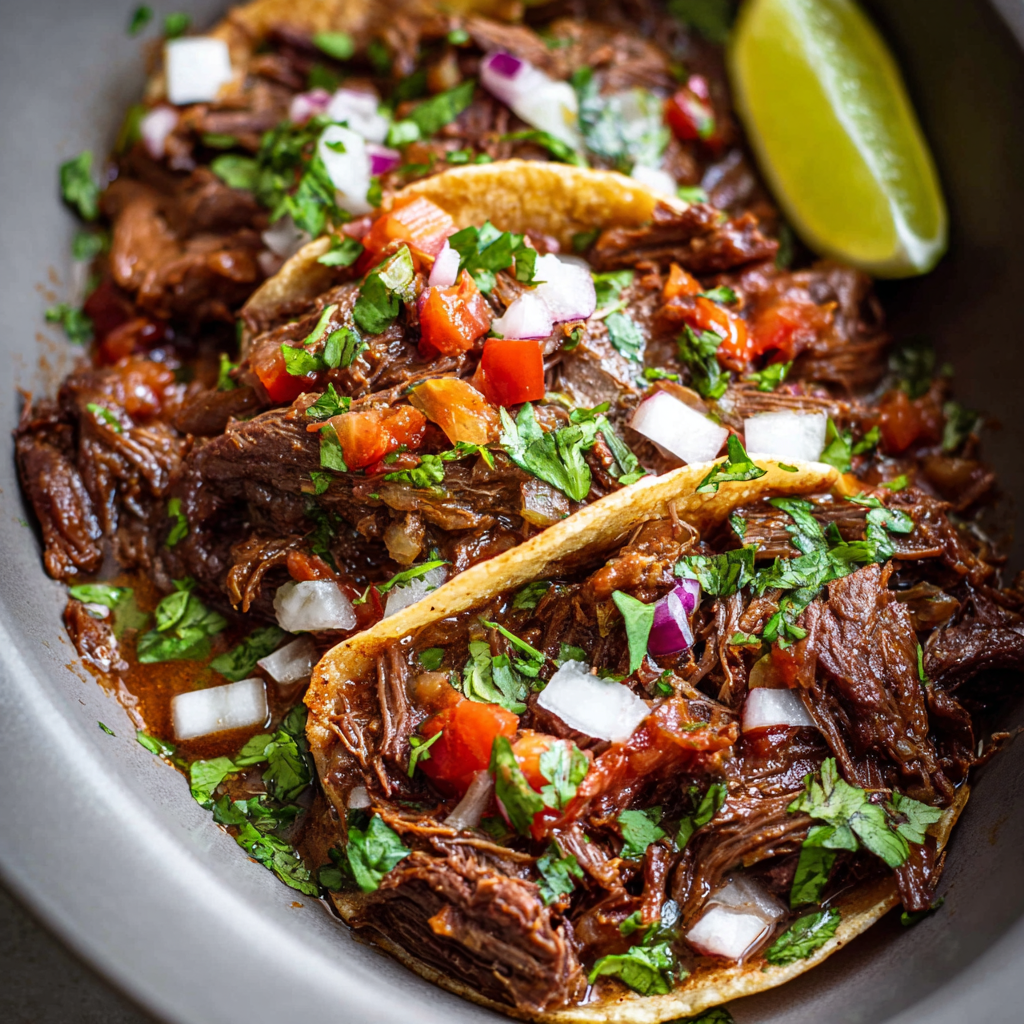
The Gastronomic Architecture of “Slow-Twitch” Muscle
In the hierarchy of Northern Mexican cuisine, Beef Machaca represents a sophisticated study in Thermal Dehydration and fiber fragmentation. Traditionally, Machaca is sun-dried and then pounded (“machacado”). By using a slow cooker, we simulate this process through prolonged collagen extraction, transforming a muscular cut of beef into tender, highly absorbent protein strands.
The technical challenge lies in Braising Liquid Management. Unlike a stew, Machaca should not “swim” in its sauce. The goal is to produce meat that has reabsorbed its own cooking juices, concentrating the chili and garlic flavors at the very core of the fiber.
The Essential Mise en Place: Technical Specs
To achieve the perfect “stringy” texture, the choice of cut and the acid-base balance are the most critical factors.
The Foundation (The Protein)
- Beef Chuck Roast or Brisket (1 kg / 2.2 lbs): Technical Requirement: Choose a cut with long, visible fibers. Chuck roast is rich in connective tissue that, after 8 hours, transforms into silky gelatin.
- The Friction Rub: Sea salt, cracked black pepper, and a generous dose of Mexican oregano (more citrusy than European varieties).
The Aromatic Matrix
- Anaheim or Poblano Peppers (2): De-seeded and diced. These provide a “green,” earthy note.
- Beef Broth (125 ml / 0.5 cup): Minimal volume is required; the meat will release its own liquid during the “sweating” phase.
- Lime Juice & Apple Cider Vinegar: Acidity acts as a secondary “denaturant,” helping to break down rigid protein structures.
The Masterclass: Step-by-Step Culinary Execution
Phase 1: The Maillard Sear (Optional but Recommended)
Sear the beef blocks in a very hot cast-iron skillet with a dash of oil until a deep brown crust forms. This creates flavor compounds that the slow cooker cannot produce alone due to its lower temperatures.
Phase 2: Slow Cooker Stratification
Place sliced onions and garlic at the bottom of the slow cooker to create a “thermal bed.” Place the beef on top, then add the peppers, crushed tomatoes, and spices. Pour the broth around the sides so as not to wash the seasoning off the meat.
Phase 3: “Low and Slow” Extraction
Set the slow cooker to “Low” for 8 to 10 hours. Using the “High” setting is discouraged as it risks contracting the fibers too abruptly, making the meat dry despite the liquid.
Phase 4: Fragmentation & Reabsorption
Once the meat is tender, remove it and shred it using two forks. Pro Tip: Return the shredded meat to the slow cooker with its juices for an additional 30 minutes. The meat will act like a sponge, capturing the concentrated essence of the braise.
Common Technical Pitfalls to Avoid
- Too Much Liquid: If the meat is swimming in water, it will be boiled, not braised. Machaca should be moist but not liquid.
- Forgetting the Acidity: Without lime juice or vinegar, the beef fat can saturate the palate. Acid “cuts” the fat and brightens the spices.
- Shredding Too Fine: Keep pieces of varying sizes to maintain tactile interest during tasting.
Frequently Asked Questions (Q&A)
| Question | Expert Answer |
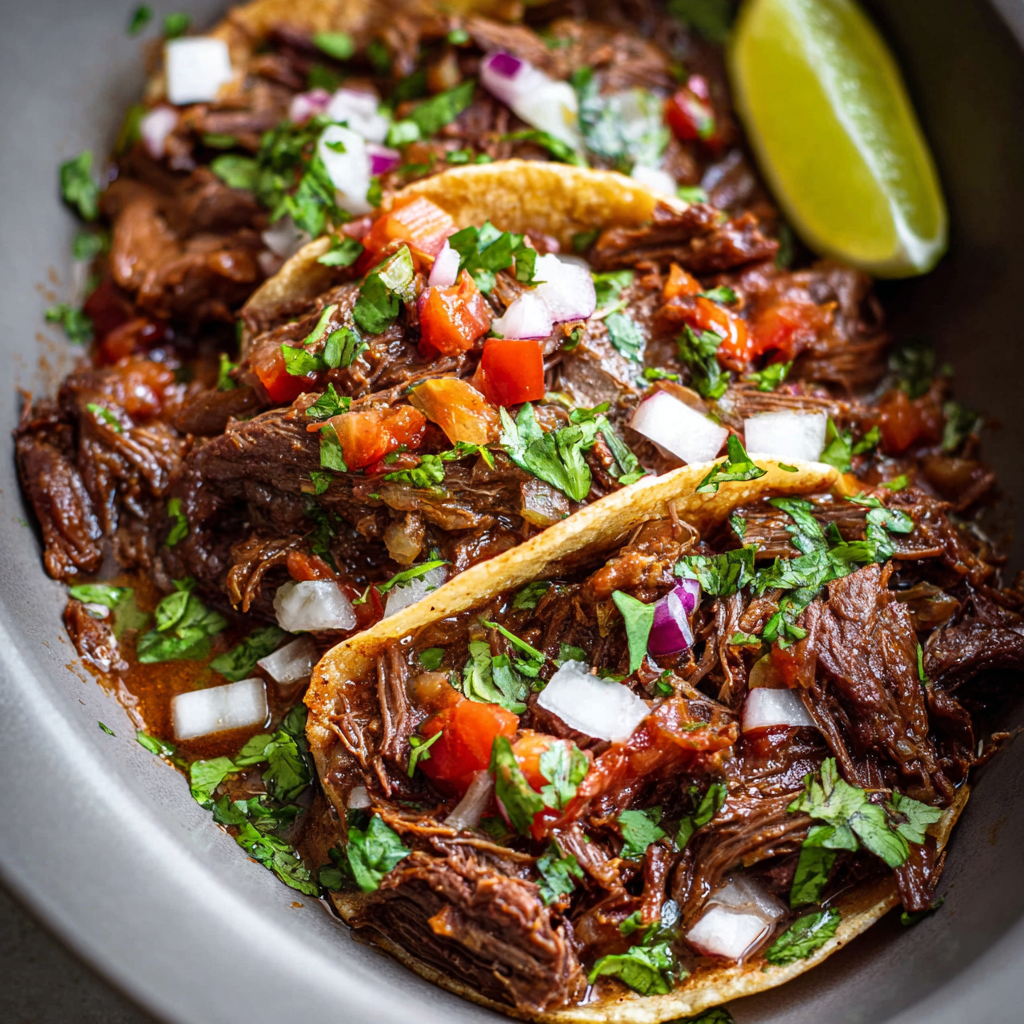
| How do I serve it? | Traditionally with scrambled eggs (“Machaca con Huevo”) or in flour tortillas with melting cheese. |
| Can I freeze it? | Absolutely. Machaca freezes extremely well and maintains its structure after thawing. |
| Can I use pork? | You can, but technically that becomes shredded “Carnitas.” The flavor profile of Machaca is specifically tied to beef. |
Leave a Reply