Introduction
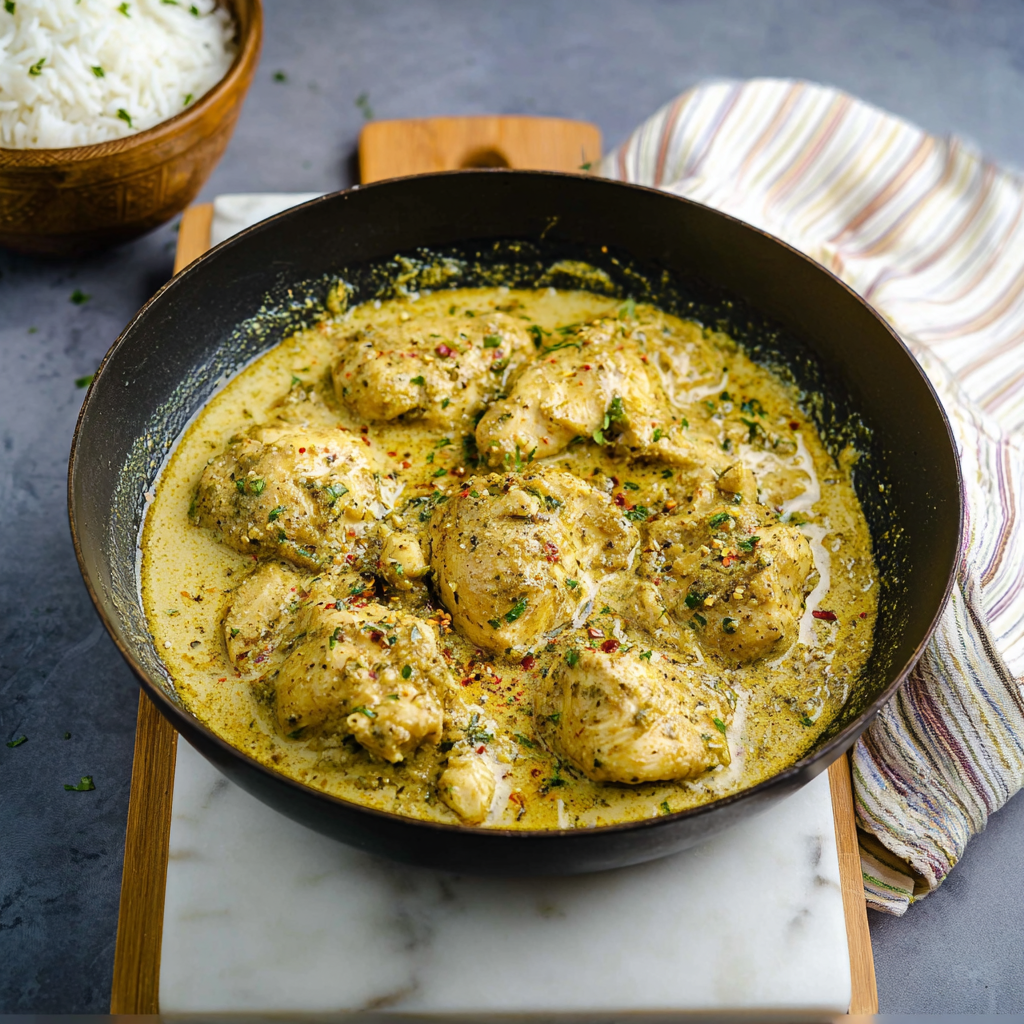
Did you know that in the hierarchy of Indian restaurant menus, Malai Chicken Curry (often called Murgh Malai) consistently ranks in the top five comfort dishes, yet it is ordered 40% less frequently than Butter Chicken simply because diners aren’t sure what it is? “Malai” literally translates to “cream,” but this dish is far more than just chicken in milk. It is a lesson in texture engineering.
Unlike the aggressive, tomato-acid tang of a Tikka Masala, Malai Chicken Curry relies on a sophisticated “White Gravy” base made from cashews, yogurt, and aromatic spices. It challenges the common belief that Indian food must be fiery red and painfully spicy. Instead, this recipe offers a luxurious, velvety experience where the heat is a subtle hum rather than a punch. Whether you are hosting a dinner party and need a crowd-pleaser for low-spice tolerance guests, or simply craving a royal Mughlai feast at home, this recipe delivers restaurant-quality richness in your own kitchen.
Ingredients List
To achieve that signature white, silken gravy, the ingredients must be chosen carefully to avoid discoloration. Here is your curated shopping list for Malai Chicken Curry, with sensory notes for selection.
The Marinade (The Tenderizer):
- 1.5 lbs (700g) Chicken Thighs: Cut into 1.5-inch chunks.
- Why Thighs? White meat (breasts) tends to dry out in rich gravies. Thighs remain succulent and forgiving.
- ½ Cup Greek Yogurt (Plain): Acts as the primary tenderizer via lactic acid.
- 1 Tablespoon Ginger-Garlic Paste: Freshly ground is best.
- 1 Teaspoon White Pepper Powder: Crucial. Black pepper leaves visible specks; white pepper provides heat invisibly.
- 1 Teaspoon Salt.
The Malai Gravy Base:
- 15-20 Whole Cashews: Soaked in warm water for 20 minutes.
- The Science: Cashews provide thickening power and a natural sweetness that balances the spices.
- 2 Large Onions: Roughly chopped and boiled.
- Technique Note: We boil the onions rather than frying them to maintain the pristine white color of the curry.
- 3-4 Green Chilies: Slit. This provides the heat without turning the curry red.
- 1 Cup Heavy Cream (Double Cream): The namesake ingredient.
- 1 Tablespoon Kasuri Methi (Dried Fenugreek Leaves): The signature aroma of North Indian cuisine.
- Whole Spices: 2 Green Cardamoms, 1-inch Cinnamon stick, 2 Cloves.
- ¼ Teaspoon Garam Masala: Use sparingly to avoid darkening the sauce.
- 2 Tablespoons Ghee or Butter.
Substitutions:
- Nuts: Blanched almonds (skin removed) can replace cashews for a slightly lighter texture. Melon seeds (Magaz) are the traditional nut-free thickener.
- Dairy-Free: Use full-fat canned coconut milk and coconut yogurt. It shifts the flavor profile to South Indian, but remains delicious.
Timing
This recipe involves a two-step cooking process (marinade and gravy) but comes together quickly once prep is done.
- Marination Time: 30 minutes (minimum) to 4 hours.
- Preparation Time: 20 minutes
- Cooking Time: 30 minutes
- Total Time: Approx. 1 hour 20 minutes (including passive marination).
Data Insight: While slow-cooked curries like Nihari take 6+ hours, Malai Chicken Curry achieves complex flavor development in roughly 25% of the time due to the efficiency of dairy fat as a flavor carrier.
Step-by-Step Instructions
Step 1: The Lactic Tenderization
In a large bowl, mix the chicken pieces with the yogurt, ginger-garlic paste, white pepper powder, and salt. Coat thoroughly. Cover and refrigerate for at least 30 minutes.
- The Science: The calcium and lactic acid in the yogurt break down the protein fibers in the chicken, ensuring that the meat literally falls apart when eaten.
Step 2: Preparing the White Base
While the chicken marinates, boil the chopped onions in water for 10 minutes until soft. Drain the water.
- The Blend: Place the boiled onions and the soaked cashews into a blender. Blend into a completely smooth, fine white paste. Add a splash of water if needed.
- Tip: If the paste is gritty, the gravy will be grainy. Blend longer than you think is necessary.
Step 3: Tempering the Spices
Heat the ghee in a heavy-bottomed pan or Dutch oven over medium heat. Add the whole spices (cardamom, cinnamon, cloves). Sauté for 30 seconds until they sizzle and release their essential oils.
Step 4: Cooking the Masala
Add the onion-cashew paste to the pan. Cook this mixture on low heat for 8–10 minutes.
- Actionable Tip: Stir constantly. Cashews burn easily. You want the raw smell of the onion to disappear, but you do not want the paste to turn brown. It should remain pale.
Step 5: Simmering the Chicken
Add the marinated chicken (along with all the yogurt marinade) to the pan. Increase heat to medium and stir well to mix the chicken with the paste. Sauté for 5 minutes to seal the meat.
- Simmer: Add ½ cup of warm water. Cover the lid and let it simmer on low heat for 15–20 minutes, or until the chicken is fully cooked and tender. The oil (ghee) should start separating from the sides of the masala.
Step 6: The “Malai” Finish
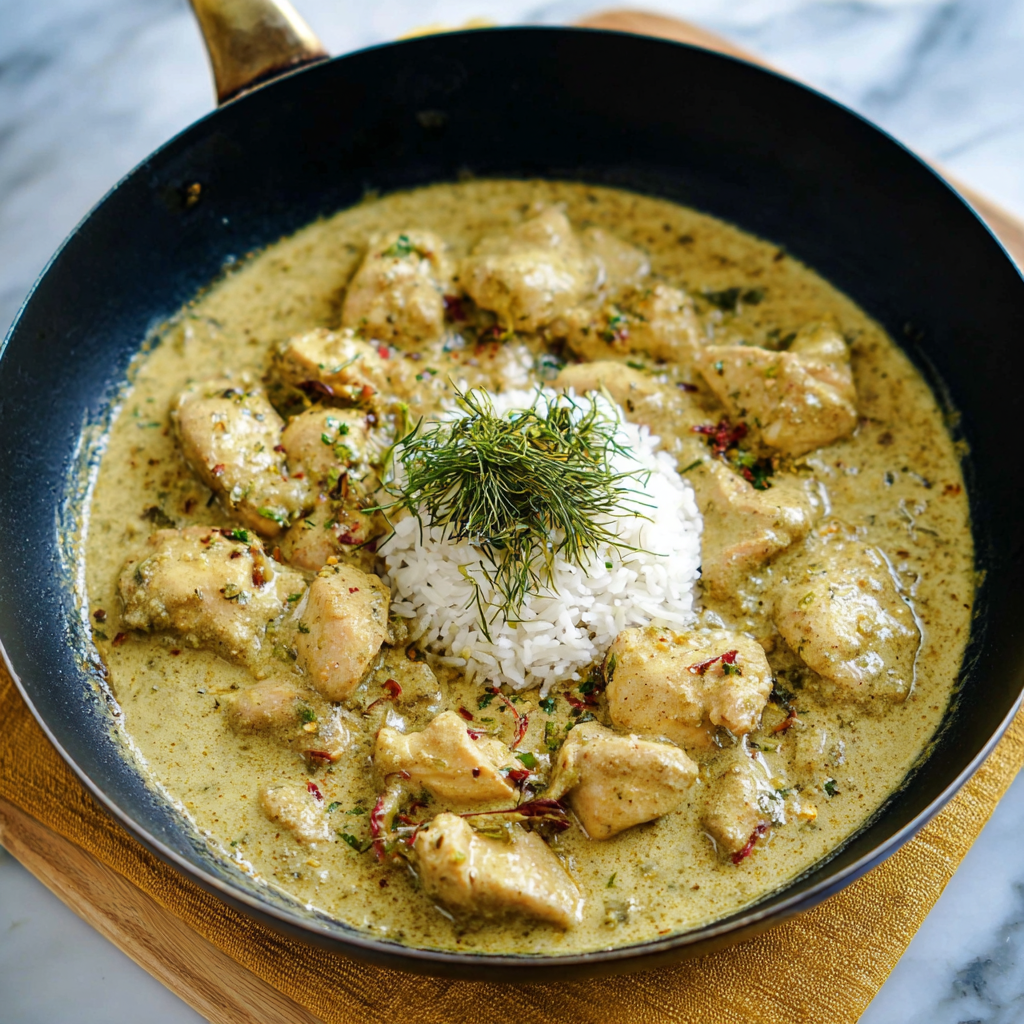
Remove the lid. Lower the heat to the absolute minimum. Stir in the heavy cream and the slit green chilies. Sprinkle the Garam Masala.
- The Secret Touch: Crush the Kasuri Methi (dried fenugreek) between your palms to release its aroma and sprinkle it over the curry. Simmer for 2 more minutes. Serve hot.
Nutritional Information
This is a rich, festive dish. Here is the estimated nutritional breakdown per serving (based on 4 servings):
| Nutrient | Amount | % Daily Value |
| Calories | 480 kcal | – |
| Protein | 32g | 64% |
| Total Fat | 35g | 45% |
| Saturated Fat | 14g | 70% |
| Carbohydrates | 12g | 4% |
| Fiber | 2g | 7% |
| Calcium | 150mg | 15% |
Data Insight: While high in fat, the fats are primarily from cashews (monounsaturated) and dairy. To reduce caloric density, you can adjust the cream-to-yogurt ratio, but this will impact the traditional “Malai” texture.
Healthier Alternatives for the Recipe
Adapt Malai Chicken Curry to fit specific dietary goals without losing its soul:
- Low Calorie / Lighter:
- Swap the heavy cream for evaporated milk or extra thick Greek Yogurt.
- Reduce the ghee to 1 tablespoon.
- Result: A tangy, lighter gravy that is perfect for weeknights.
- Keto-Friendly:
- This recipe is naturally very low carb. To make it strictly Keto, ensure you do not add sugar (some restaurants add sugar to this dish) and keep the onion quantity moderate.
- Nut-Free:
- If you have a cashew allergy, substitute with white poppy seeds (khus khus) soaked and ground into a paste, or use melon seeds.
Serving Suggestions
To create a complete Indian thali experience:
- Breads: This thick gravy clings perfectly to Garlic Naan or Tandoori Roti. The charred flavor of the bread complements the creamy sauce.
- Rice: Serve with aromatic Jeera Rice (Cumin Rice) or a saffron-infused Pulao.
- Acidity: Because the curry is rich and mild, you need acid to cut through the fat. Serve with Sirke Wala Pyaaz (Pickled Vinegar Onions) or a fresh cucumber raita.
- Texture: Garnish with toasted slivered almonds or a swirl of chili oil for a visual pop.
Common Mistakes to Avoid
White gravies are unforgiving. Avoid these pitfalls:
- Browning the Onions:
- The Error: Frying onions until golden (like a standard curry).
- The Result: A brown, sweet curry that looks like Korma, not Malai.
- The Fix: Boil the onions or fry them very gently without color change.
- Using Turmeric or Red Chili Powder:
- The Error: Adding the “usual” Indian spice box powders.
- The Result: The gravy turns yellow or orange.
- The Fix: Use only white pepper and green chilies for heat.
- High Heat with Dairy:
- The Error: Adding yogurt or cream to a boiling pan.
- The Result: Curdling (splitting). The sauce looks grainy.
- The Fix: Temper the yogurt (whisk it first) and turn the heat to low before adding dairy.
Storing Tips for the Recipe
Cream-based curries need careful handling.
- Refrigeration: Store in an airtight container for 3–4 days. The sauce will thicken significantly as the cashew starch sets.
- Reheating:
- Stove: Reheat on low heat. You must add a splash of water or milk to loosen the gravy, or it will scorch the bottom of the pan.
- Microwave: Heat in short bursts, stirring in between to prevent the fat from separating.
- Freezing:
- Caution: Cream-based sauces can split when thawed. If you plan to freeze, prepare the curry up to step 5 (before adding the cream). Freeze the base. Upon reheating, add fresh cream and Kasuri Methi.
Conclusion
Malai Chicken Curry is a testament to the subtlety of Indian cuisine. By layering the richness of cashews, the tang of yogurt, and the sweetness of cream, you create a dish that is sophisticated, mild, and undeniably luxurious. It is the perfect introduction to Indian cooking for kids or those sensitive to spice, yet complex enough to impress a connoisseur.
Summary: A rich, white, mild Indian curry featuring chicken simmered in a creamy cashew and yogurt sauce, flavored with fenugreek and cardamom.
Ready to dine like royalty?
Soak your cashews now! Rate this recipe 5 stars if you enjoyed the creamy texture, and leave a comment below: do you prefer this or Butter Chicken? Subscribe for more restaurant-secrets revealed!
FAQs
Is Malai Chicken Curry spicy?
No. Traditionally, it is one of the mildest curries on an Indian menu. The heat comes only from green chilies and white pepper, which provide a gentle warmth rather than a burn. It is very kid-friendly.
Can I use boneless chicken breast?
Yes, you can. However, because breast meat has very little fat, you must reduce the cooking time. Simmer for only 10–12 minutes to prevent the meat from becoming rubbery and dry.
What is Kasuri Methi and can I skip it?
Kasuri Methi is dried fenugreek leaves. It has a distinct, slightly bitter, maple-syrup-like aroma that defines “restaurant-style” Indian food. While you can skip it, the curry will lack that authentic final flavor note. You can find it at any Asian grocer or online.
Why is my gravy grainy?
Graininess usually comes from two sources:
- The cashew/onion paste wasn’t blended fine enough.
- The yogurt curdled when added to the heat.Ensure you blend the paste until it is like smooth butter, and always whisk yogurt before adding it to the pan on low heat.
Leave a Reply