Introduction
Did you know that the “Velvet” in cake names has nothing to do with color, but actually refers to a specific chemical reaction? In the Victorian era, “velvet” cakes distinguished themselves from coarser sponge cakes through their tight, soft crumb structure—a result of the interaction between acidic buttermilk, vinegar, and baking soda. While Red Velvet dominates the bakery case, search trends for “citrus desserts” spike by 65% every spring, signaling a desire for lighter, brighter flavor profiles.
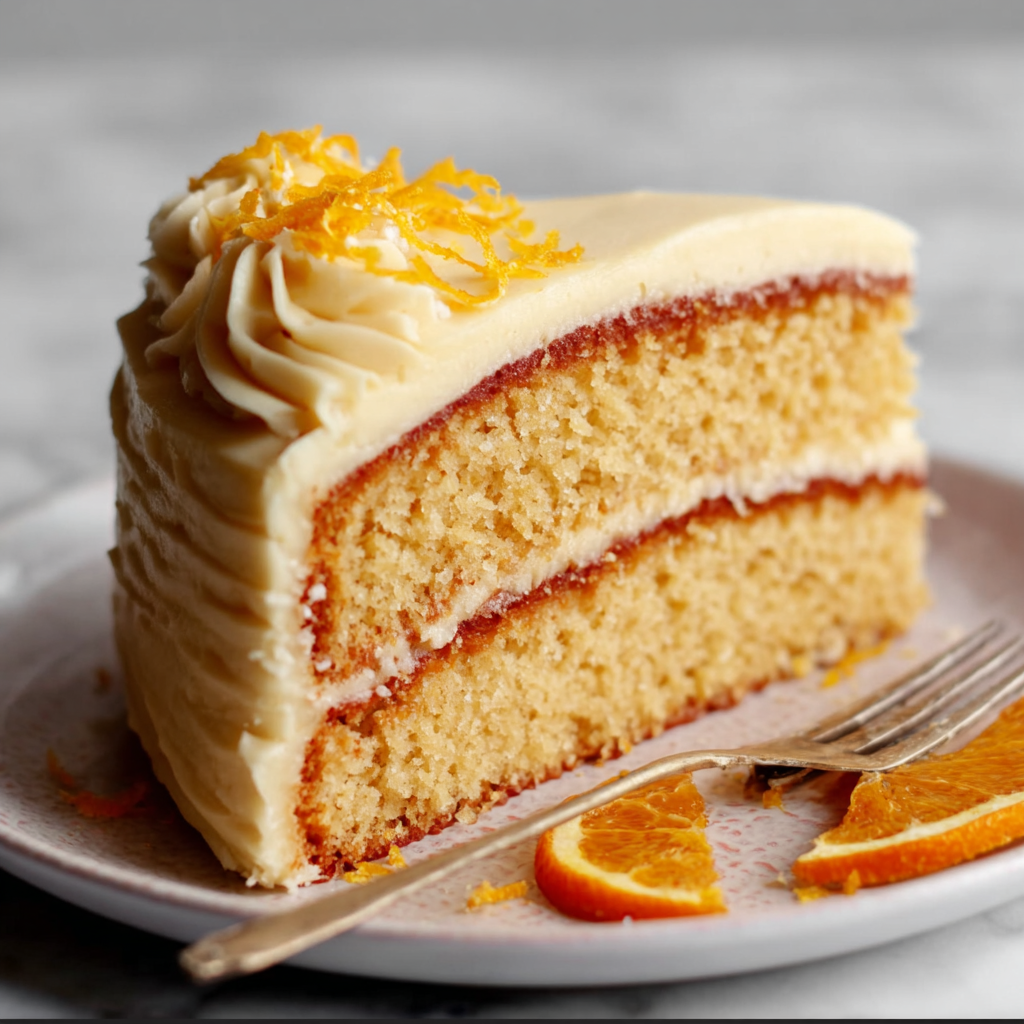
This recipe for Orange Velvet Cake takes the scientific foundation of the classic Red Velvet—the tang, the tenderness, and the moisture—and swaps the cocoa for sunshine. By rubbing fresh orange zest into the sugar (a technique called oleo-saccharum) and using a specific blend of oil and butter, we create a cake that is impossibly moist, vibrant in color, and bursting with natural citrus aroma. Topped with a tangy Orange Cream Cheese Frosting, this is the retro dessert upgrade your table needs.
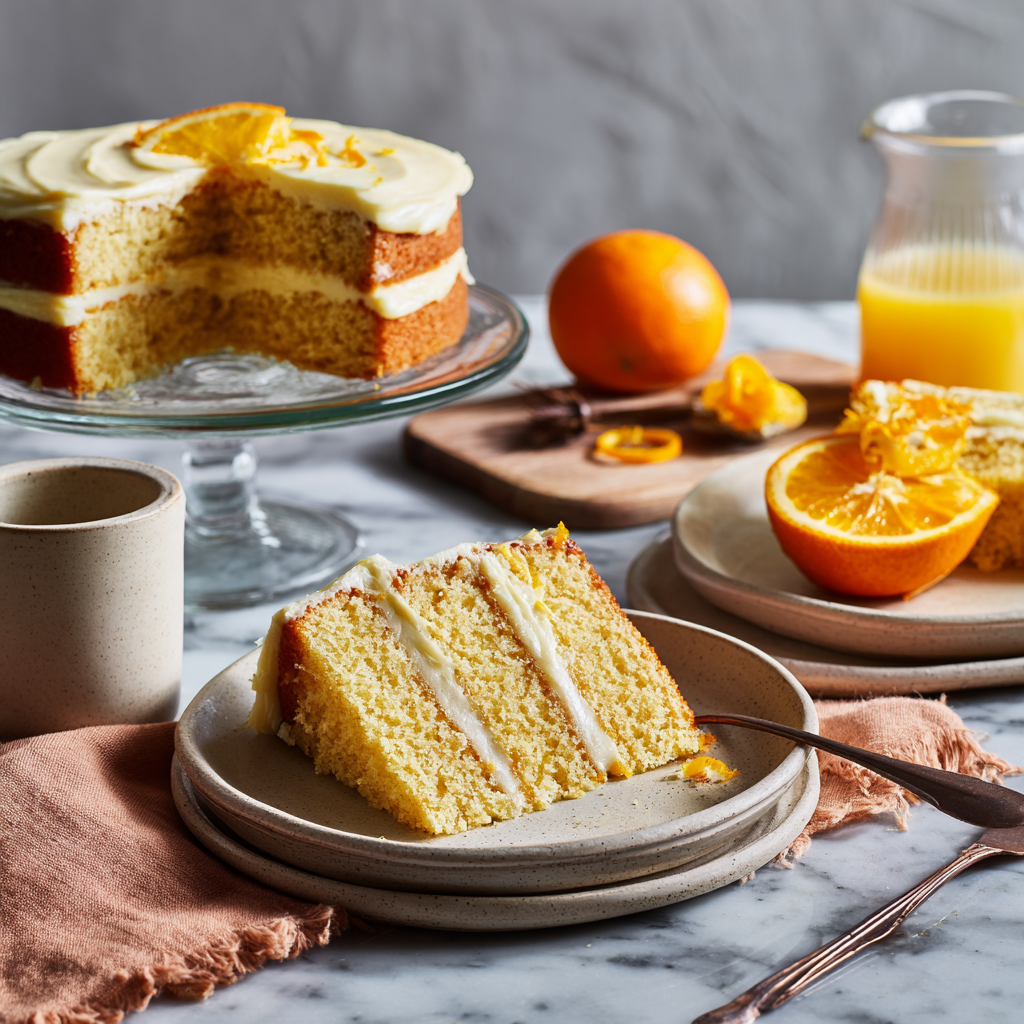
Ingredients List
To achieve the “velvet” texture (not just a standard sponge) and a punchy orange flavor, specific ingredients are non-negotiable. Here is your curated shopping list.
The Velvet Cake Base:
- 2 ½ Cups Cake Flour:
- Critical Spec: Do not use All-Purpose flour. Cake flour has lower protein content (approx. 7-9%), which ensures a tender, silky crumb rather than a chewy bread-like texture.
- 1 ½ Cups Granulated Sugar.
- 2 Tablespoons Fresh Orange Zest: Approx. 2 large oranges.
- Technique: Zest only the bright orange part; the white pith is bitter.
- 1 Cup Vegetable Oil:
- The Science: Unlike butter, oil remains liquid at room temperature, coating the flour proteins and preventing gluten formation. This guarantees the cake stays moist for days.
- 2 Large Eggs: Room temperature.
- 1 Cup Buttermilk: The acid source essential for the “velvet” texture.
- ½ Cup Fresh Orange Juice: Strained.
- 1 Teaspoon Vanilla Extract & 1 Teaspoon Orange Extract: Layering extract with juice provides depth.
- 1 Teaspoon White Vinegar: The catalyst.
- 1 Teaspoon Baking Soda & 1 Teaspoon Salt.
- Orange Gel Food Coloring: Optional, but essential for that signature “pop” (natural juice bakes out to a pale yellow).
The Orange Cream Cheese Frosting:
- 8 oz (1 Block) Cream Cheese: Full fat, softened.
- ½ Cup Unsalted Butter: Softened.
- 4 Cups Confectioners’ Sugar.
- 1 Tablespoon Fresh Orange Juice.
- 1 Teaspoon Orange Zest.
Substitutions:
- Buttermilk: Mix 1 cup whole milk with 1 tablespoon lemon juice and let sit for 10 minutes.
- Flour: If you don’t have cake flour, remove 2 tablespoons of AP flour per cup and replace with cornstarch. Sift 3 times.
Timing
This recipe requires careful mixing but bakes relatively quickly.
- Preparation Time: 25 minutes.
- Baking Time: 28–32 minutes.
- Cooling Time: 1 hour.
- Total Time: Approx. 2 hours.
Data Insight: By using the “Reverse Creaming” or oil-based method combined with the vinegar reaction, Velvet cakes retain 20% more moisture post-baking than traditional butter-creamed cakes, extending their shelf life significantly.
Step-by-Step Instructions
Step 1: Oleo-Saccharum (Flavor Infusion)
Preheat oven to 350°F (175°C). Grease and flour two 8-inch or 9-inch round cake pans.
- Action: In a large bowl, combine the granulated sugar and the fresh orange zest.
- Technique: Rub the zest into the sugar with your fingertips for 2–3 minutes.
- Result: The sugar will turn slightly orange and smell intensely fragrant. The friction releases the essential oils from the zest into the sugar crystals, preventing them from evaporating during baking.
Step 2: The Wet Emulsion
Whisk the vegetable oil and eggs into the orange sugar until pale and emulsified.
- Add Liquids: Stir in the buttermilk, fresh orange juice, vanilla extract, orange extract, and orange food coloring (if using). Whisk until uniform.
Step 3: The Dry Mix
Sift the cake flour and salt into the wet mixture.
- Mix: Stir gently until just combined. Do not overmix.
Step 4: The Velvet Reaction (Chemistry Time)
In a small ramekin, mix the baking soda and white vinegar. It will fizz aggressively.
- Fold: Immediately pour this fizzing mixture into the batter and fold it in quickly with a spatula.
- Why? This reaction creates carbon dioxide bubbles instantly, which expands the batter and tenderizes the protein structure.
Step 5: Bake
Divide the batter evenly between the prepared pans.
- Bake: Bake for 28–32 minutes.
- Doneness: A toothpick inserted into the center should come out clean or with a few moist crumbs. The edges should pull away slightly from the pan.
Step 6: Cool and Frost
Cool in pans for 10 minutes, then turn out onto a wire rack to cool completely.
- Frosting: Beat the cream cheese and butter until smooth. Gradually add powdered sugar, orange juice, and zest. Whip until fluffy. Frost the cooled cakes.
Nutritional Information
This is a celebratory dessert rich in fats and sugars. Here is the estimated breakdown per slice (based on 12 slices):
| Nutrient | Amount | % Daily Value |
| Calories | 520 kcal | – |
| Total Fat | 28g | 43% |
| Saturated Fat | 8g | 40% |
| Carbohydrates | 64g | 21% |
| Sugars | 48g | – |
| Protein | 4g | 8% |
Data Insight: While nutritionally dense, the inclusion of Orange Zest provides a concentrated dose of limonene and flavonoids. However, this is primarily a comfort food item.
Healthier Alternatives for the Recipe
Customize your Orange Velvet Cake for lighter preferences:
- Lower Sugar:
- Use a Monk Fruit Granular Sweetener for the cake and a powdered version for the frosting.
- Note: The texture may be slightly drier, so add 1 extra tablespoon of oil.
- Whole Grain:
- Use White Whole Wheat Flour. It is lighter than standard whole wheat but adds fiber. The orange flavor masks the nuttiness well.
- “Naked” Cake:
- Reduce the calorie count by frosting only the top of the cake and between layers, leaving the sides bare. This reduces the frosting load by 50%.
Serving Suggestions
Visuals matter with this bright cake.
- Garnish: Dehydrated orange slices or fresh kumquats look stunning on top of the white frosting.
- The Crunch: Press crushed pistachios into the bottom rim of the frosting. The green contrasts beautifully with the pale orange frosting.
- Drink Pairing: An Earl Grey Tea or a dry Prosecco cuts through the sweetness and complements the citrus notes.
Common Mistakes to Avoid
Velvet cakes are sensitive to pH balance. Avoid these errors:
- Skipping the Vinegar:
- The Error: Thinking it will taste sour.
- The Result: A dense, heavy cake. The vinegar is needed to react with the soda.
- The Fix: Trust the chemistry; you won’t taste it.
- Using All-Purpose Flour:
- The Error: Using standard flour.
- The Result: A slightly tougher, breadier texture that isn’t “velvety.”
- The Fix: Use Cake Flour or the cornstarch hack.
- Warm Cream Cheese:
- The Error: Using melting cream cheese for frosting.
- The Result: A runny, soupy mess that slides off the cake.
- The Fix: Cream cheese should be cool room temp, not warm.
Storing Tips for the Recipe
Cream cheese frosting requires refrigeration.
- Refrigeration: Store the frosted cake in a cake keeper in the fridge for up to 5 days.
- Serving: Always let the slice sit on the counter for 20 minutes before eating. Cold cake masks flavor; room temp cake releases it.
- Freezing:
- Unfrosted Layers: Freeze wrapped in plastic for up to 2 months.
- Frosted: Freeze the whole cake for 1 hour to set the frosting, then wrap in plastic and foil. Freeze for 1 month.
Conclusion
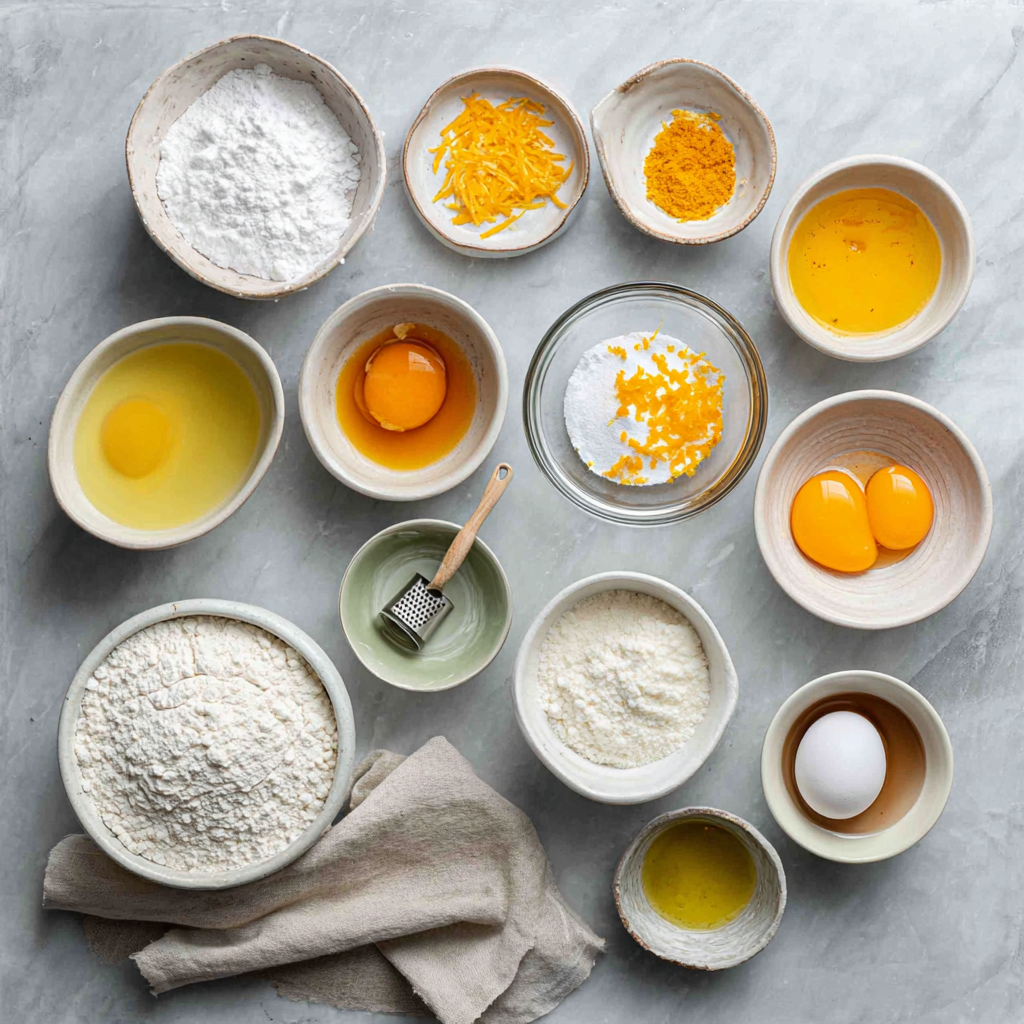
Orange Velvet Cake is the perfect antidote to boring vanilla. By mastering the delicate balance of acid, fat, and citrus oils, you create a dessert that is visually arresting and texturally luxurious. It’s vibrant, nostalgic, and sophisticated all at once.
Summary: A moist, citrus-infused cake using the classic “Velvet” vinegar-buttermilk reaction. Features an oil-based crumb and zesty cream cheese frosting.
Ready to squeeze the day?
Get zesting! Rate this recipe 5 stars if you loved the citrus punch, and leave a comment below: do you add pecans or keep it smooth? Subscribe for more baking science!
FAQs
Can I make this as cupcakes?
Yes. This batter makes approximately 24 standard cupcakes. Bake at 350°F for 18–22 minutes.
Does it taste like an orange creamsicle?
Yes, very much so! The combination of the vanilla in the batter and the orange zest creates that classic “Creamsicle” flavor profile, especially when paired with the creamy frosting.
Can I use store-bought orange juice?
You can, but the flavor will be flatter. Fresh juice contains volatile aroma compounds that are lost in pasteurized juice. If using bottled, ensure you still use fresh zest—that is where 80% of the orange flavor lives.
Is this the same as an Orange Sponge Cake?
No. A sponge cake relies on whipped eggs for structure and usually contains no fat (or very little). This is a Velvet Cake, meaning it relies on oil and chemical leavening (soda + acid) for a moist, tender, high-fat crumb.
Leave a Reply