Introduction
Did you know that the average wait time for a food delivery order on a Friday night is approximately 45 to 60 minutes? By the time that plastic container arrives, the food is often lukewarm, the dumplings are soggy, and the “delivery tax” has doubled your meal cost. But what if you could achieve a depth of flavor that rivals your favorite Thai fusion spot in less than half the time?
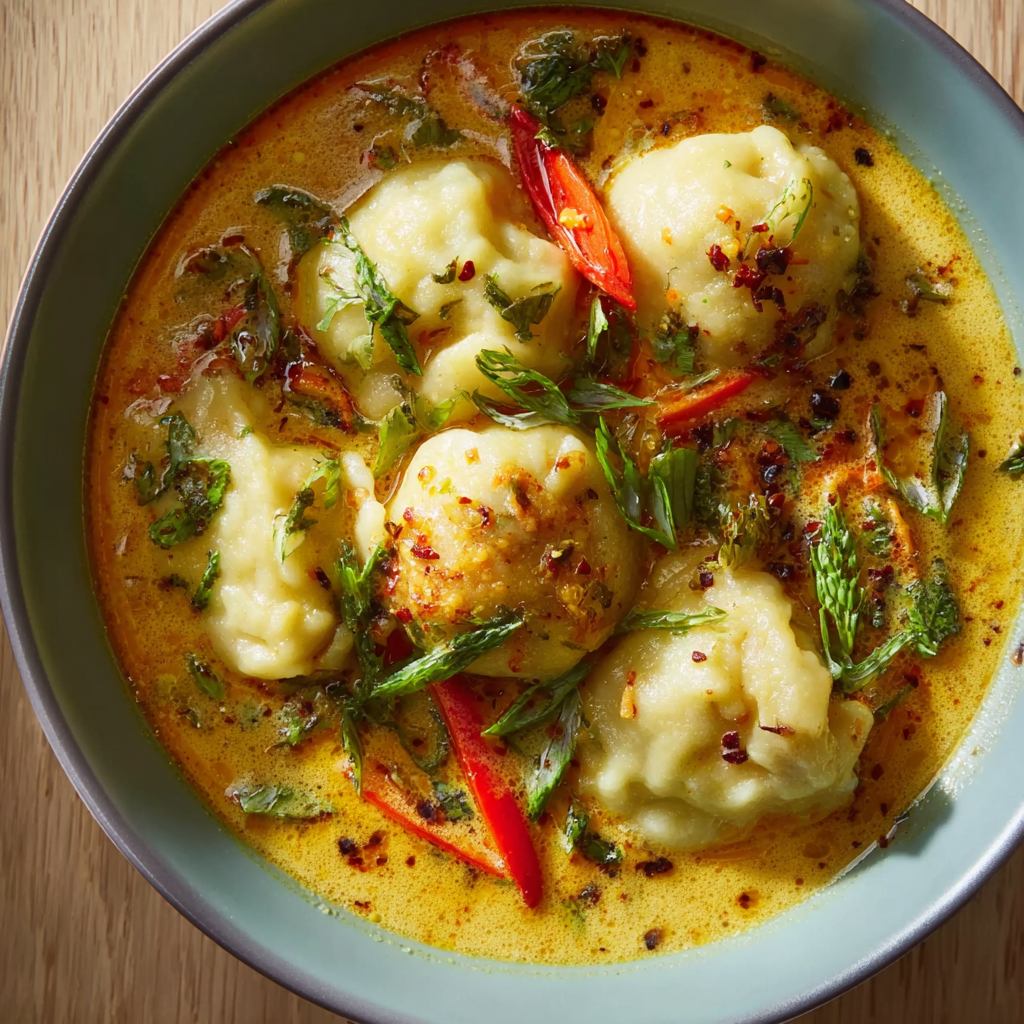
This Coconut Curry Soup with Dumplings is the answer to the modern dinner dilemma. It challenges the belief that complex, layered curries require hours of simmering or a mortar and pestle. By utilizing high-quality convenience ingredients like frozen potstickers and red curry paste, we bridge the gap between “instant” food and gourmet dining. Whether you are craving a spicy kick to clear your sinuses or a creamy embrace to end a long day, this recipe delivers comfort in a bowl. It is creamy, zesty, and packed with umami—a true “one-pot wonder” that will revolutionize your weeknight rotation.
Ingredients List
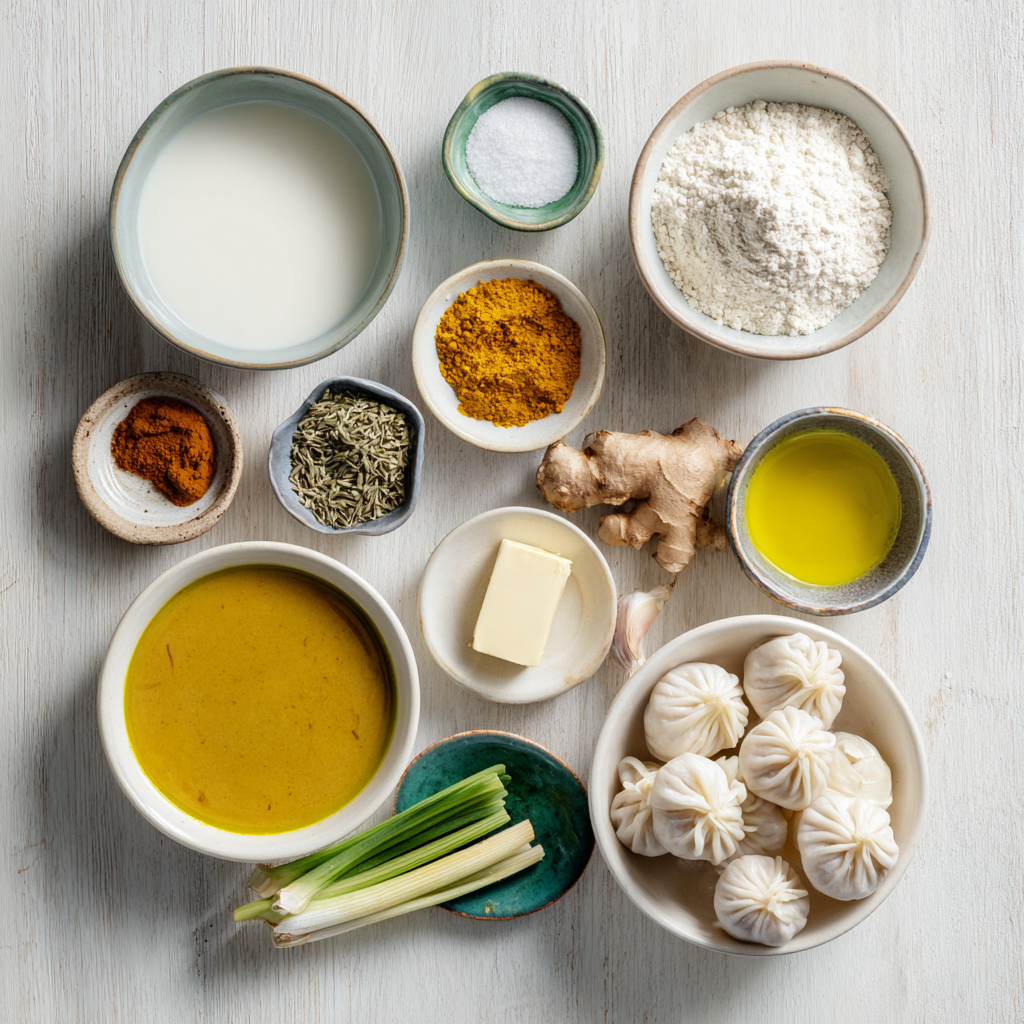
The secret to this soup lies in the quality of the broth base. Because the ingredient list is short, every component plays a critical structural role in the flavor profile.
- 1 Tablespoon Coconut Oil or Neutral Oil: For sautéing aromatics.
- 3-4 Cloves Garlic, Minced: The foundation of savory flavor.
- 1 Tablespoon Fresh Ginger, Grated: Provides a spicy, peppery heat that clears the palate.
- 2-3 Tablespoons Thai Red Curry Paste:
- Note: Brands vary significantly in heat. Start with 2 tablespoons if you are sensitive to spice.
- 2 Cans (13.5 oz each) Coconut Milk:
- Critical: Use full-fat coconut milk. Light versions contain more water and stabilizers, which will prevent the soup from achieving that luxurious, silky texture.
- 4 Cups Chicken or Vegetable Broth: Low-sodium is preferred to control saltiness.
- 1 lb (approx. 20-25 count) Frozen Dumplings/Potstickers:
- Variety: Chicken, pork, shrimp, or vegetable all work beautifully. No need to thaw!
- 2 Cups Baby Bok Choy or Spinach: Adds crunch and nutrition.
- 1 Tablespoon Soy Sauce (or Fish Sauce): For that essential umami depth.
- 1 Lime (Juiced): The acid is non-negotiable to cut through the fat of the coconut milk.
- Garnishes: Fresh cilantro, sliced red chilies, and scallions.
Substitutions:
- Curry Paste: If you prefer a milder, turmeric-heavy profile, swap Red Curry Paste for Yellow Curry Paste. It offers a sweeter, mellower flavor.
- Greens: Kale is a sturdy alternative, but it requires 3-4 minutes of extra simmering time to soften compared to spinach.
Timing
This recipe is engineered for speed and efficiency, beating the delivery driver every time.
- Preparation Time: 5 minutes
- Cooking Time: 15 minutes
- Total Time: 20 minutes
Data Insight: This recipe is approximately 66% faster than the average delivery time for Asian takeout, and costs roughly $4.50 per serving to make at home, compared to the $15-$18 restaurant average.
Step-by-Step Instructions
Step 1: Blooming the Aromatics
Heat the coconut oil in a large Dutch oven or heavy-bottomed pot over medium heat. Add the minced garlic and grated ginger. Sauté for 1-2 minutes until fragrant but not browned.
- Why? Releasing the aromatic oils before adding liquid prevents the garlic from tasting “raw” in the final soup.
Step 2: Activating the Curry Paste
Add the Thai Red Curry Paste to the pot. Stir constantly for 2 minutes, mashing it into the garlic and ginger.
- Actionable Tip: You want the paste to darken slightly and stick to the bottom of the pot. This process, called “blooming,” amplifies the spices and removes the raw, tinny taste often found in jarred pastes.
!
Shutterstock
Explore
Visual Cue: The oil should start to separate slightly from the paste, indicating the spices are activated, similar to the method shown above.
Step 3: Building the Broth
Pour in the chicken (or vegetable) broth and scrape the bottom of the pot with a wooden spoon to release the flavorful bits (fond). Add the two cans of coconut milk and the soy sauce. Stir until smooth. Bring the mixture to a gentle simmer.
- Dynamic Language: Watch as the broth transforms from a separation of oil and water into a cohesive, sunset-orange velvet liquid.
Step 4: Cooking the Dumplings
Once the soup is simmering (not boiling violently), gently drop in the frozen dumplings. Do not splash! Let them cook for 4-6 minutes.
- Test: The dumplings are done when the wrappers become translucent and they float to the top of the broth.
Step 5: The Green Finish
Stir in the baby bok choy or spinach. These delicate greens only need about 1-2 minutes to wilt. If you cook them too long, they will lose their vibrant green color and crunch.
Step 6: Balancing the Acid
Turn off the heat. Squeeze in the juice of one whole lime. Stir and taste.
- The Science: Coconut milk is heavy in fat. Acid (lime juice) cuts through that fat, “waking up” the flavors and making the soup taste lighter and brighter.
Nutritional Information
While comfort food, this soup offers a balance of fats for satiety and protein. Here is the estimated breakdown per serving (based on 4 servings):
| Nutrient | Amount | % Daily Value |
| Calories | 520 kcal | – |
| Total Fat | 35g | 45% |
| Saturated Fat | 22g | 110% |
| Carbohydrates | 38g | 14% |
| Protein | 18g | 36% |
| Sodium | 980mg | 42% |
Data Insight: Coconut milk is rich in Lauric Acid, a medium-chain triglyceride (MCT) that is metabolized differently than other fats, providing a quick source of energy rather than being immediately stored as fat.
Healthier Alternatives for the Recipe
Customize this Coconut Curry Soup with Dumplings to fit specific dietary needs without sacrificing the soul-warming flavor.
- Low-Calorie / Light: Use “Light” coconut milk to reduce calories by roughly 40%. However, the broth will be thinner. To compensate, smash 2-3 cooked dumplings into the broth to thicken it with their starch.
- Keto / Low-Carb:
- Skip the dumplings entirely.
- Replace them with frozen meatballs or cubed chicken thighs.
- Add “Shirataki noodles” (konjac noodles) to mimic the noodle texture with zero net carbs.
- Sodium Watch: Store-bought dumplings and curry paste can be high in salt. Look for “low sodium” broth and omit the soy sauce (use a splash of vinegar for acidity instead).
Serving Suggestions
Elevate the presentation to restaurant quality with these toppings and sides:
- The Crunch Factor: Top with toasted sesame seeds or fried onions (shallots). The textural contrast against the soft dumplings is incredibly satisfying.
- The Heat: Drizzle with Chili Oil or Sriracha right before serving.
- The Side Dish: Serve with a Smashed Cucumber Salad tossed in rice vinegar and garlic. The cold, crisp cucumber provides a refreshing thermal contrast to the steaming hot, spicy soup.
Common Mistakes to Avoid
Avoid these pitfalls to ensure a silky, perfect broth.
- Boiling the Coconut Milk:
- The Pitfall: Bringing the soup to a violent boil after adding the coconut milk.
- The Result: The emulsion can break, resulting in a soup that looks curdled or “grainy.”
- The Fix: Keep the heat at a gentle simmer (small bubbles only).
- Overcooking the Dumplings:
- The Pitfall: Letting the dumplings sit in the boiling broth for 15+ minutes.
- The Result: The wrappers will disintegrate, leaving you with a pot of meat and dough mush.
- The Fix: Add dumplings only right before you are ready to eat.
- Forgetting the Lime:
- The Pitfall: Serving it straight from the stove without acid.
- The Result: The soup will taste “flat” and overly heavy.
- The Fix: Don’t skip the lime juice! It is the catalyst that merges the spicy and creamy elements.
Storing Tips for the Recipe
Noodle and dumpling soups are notoriously difficult to store because the dough absorbs liquid.
- The “Deconstructed” Method (Best Practice): If you are meal prepping, make the coconut curry broth base and store it separately. When you are ready to eat, heat the broth and then add fresh frozen dumplings to the bowl.
- Fridge: If stored together, the dumplings will become very soft. They are still edible but will lack texture. Consumed within 2 days.
- Freezing: You can freeze the broth only for up to 3 months. Do not freeze the soup with the dumplings already cooked in it; they will turn to mush upon reheating.
Conclusion
This Coconut Curry Soup with Dumplings is the ultimate intersection of convenience and culinary craft. It proves that you don’t need hours of prep to create a meal that feels exotic, comforting, and deeply satisfying. With its creamy texture, spicy undertones, and pillowy dumplings, it’s a recipe that satisfies the soul as much as the stomach.
Summary: A 20-minute, one-pot Thai-inspired soup featuring a creamy coconut red curry broth, frozen dumplings, and fresh greens. Faster and healthier than takeout.
Ready to ditch the delivery app?
Check your freezer for dumplings and make this tonight! Leave a comment below telling us which dumpling filling you chose—chicken, pork, or veg? And if you loved this easy dinner hack, subscribe to our newsletter for more 20-minute meal solutions!
FAQs
Can I use powdered ginger or garlic instead of fresh?
Yes, you can, though fresh offers a “zing” that powder lacks. If using powder, use 1/2 teaspoon of garlic powder and 1/4 teaspoon of ginger powder. Add them with the curry paste rather than sautéing them in oil to prevent burning.
Is this recipe spicy?
It depends entirely on your curry paste. Red curry paste generally has a “medium” heat level. If you want it milder, use half the amount of paste or switch to Yellow Curry paste. If you want it hotter, add fresh sliced Thai chilies or a spoon of Sambal Oelek.
Can I add noodles to this?
Absolutely. This broth is essentially a quick version of Khao Soi. You can add rice vermicelli or ramen noodles. Just be mindful that both noodles and dumplings might make the soup very starchy, so you may need extra broth.
My soup separated! Can I fix it?
If your coconut milk curdled, don’t panic. It is still safe to eat. To fix the texture, remove the dumplings and vegetables, then use an immersion blender to whizz the broth back into a smooth emulsion before returning the solids to the pot.
Leave a Reply