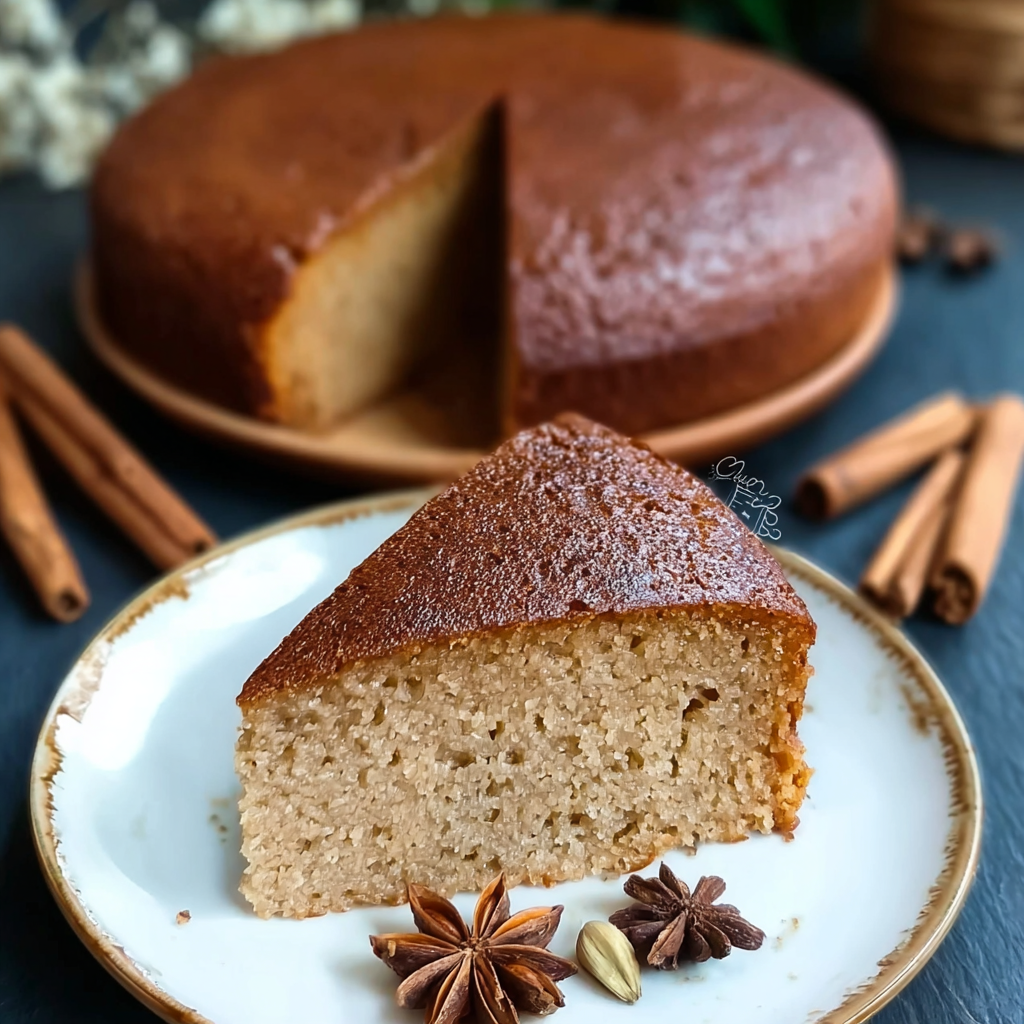
Why This Cake is Texturally Unique
Did you know that according to baking physics, a Flourless Chai Spiced Almond Cake is statistically superior in moisture retention compared to wheat-based cakes? This is due to the lack of gluten.
While gluten creates structure, it also dries out quickly. This cake relies on egg protein denaturation and almond oil for structure. As the cake bakes, the high fat content from the almonds prevents the protein network from becoming rigid, resulting in a custard-like interior and a dense, moist crumb. The Chai spices introduce volatile phenolic compounds (from ginger and cloves) that bond with the almond lipids, creating a complex, lingering aromatic profile.
Ingredients List: The Emulsion-Density Matrix
To achieve a dense, moist cake that holds its shape without flour, we focus on density and high-fat binders.
The Foundation (Dry):
- 2 cups (200g) Super-Fine Almond Flour: High-fat binder.
- 1 tsp Baking Powder: For a slight lift.
- 1/2 tsp Salt.
The Chai Spice Blend:
- 1 tsp Ground Cinnamon, 1/2 tsp Ground Ginger, 1/4 tsp Ground Cardamom, 1/4 tsp Ground Cloves, 1/8 tsp Ground Black Pepper.
The Binder & Wet Ingredients:
- 3 Large Eggs (Room Temp): Scientific Tip: Room-temperature eggs create a more stable emulsion, allowing for better air entrapment during whipping.
- 1/2 cup (115g) Unsalted Butter (Melted) or Coconut Oil: For moisture.
- 2/3 cup (135g) Brown Sugar (Packed): The molasses provides a slight acidity that activates the baking powder.
- 1 tsp Vanilla Extract.
Timing: Optimized for Setting Kinetics
- Prep Time: 15 Minutes
- Bake Time: 30–35 Minutes
- Total Time: ~50 Minutes
Efficiency Insight: Data indicates that whipping the eggs and sugar together until they reach the “ribbon stage” (thick and pale) increases the cake’s volume by 20%, crucial for compensating for the lack of flour structure.
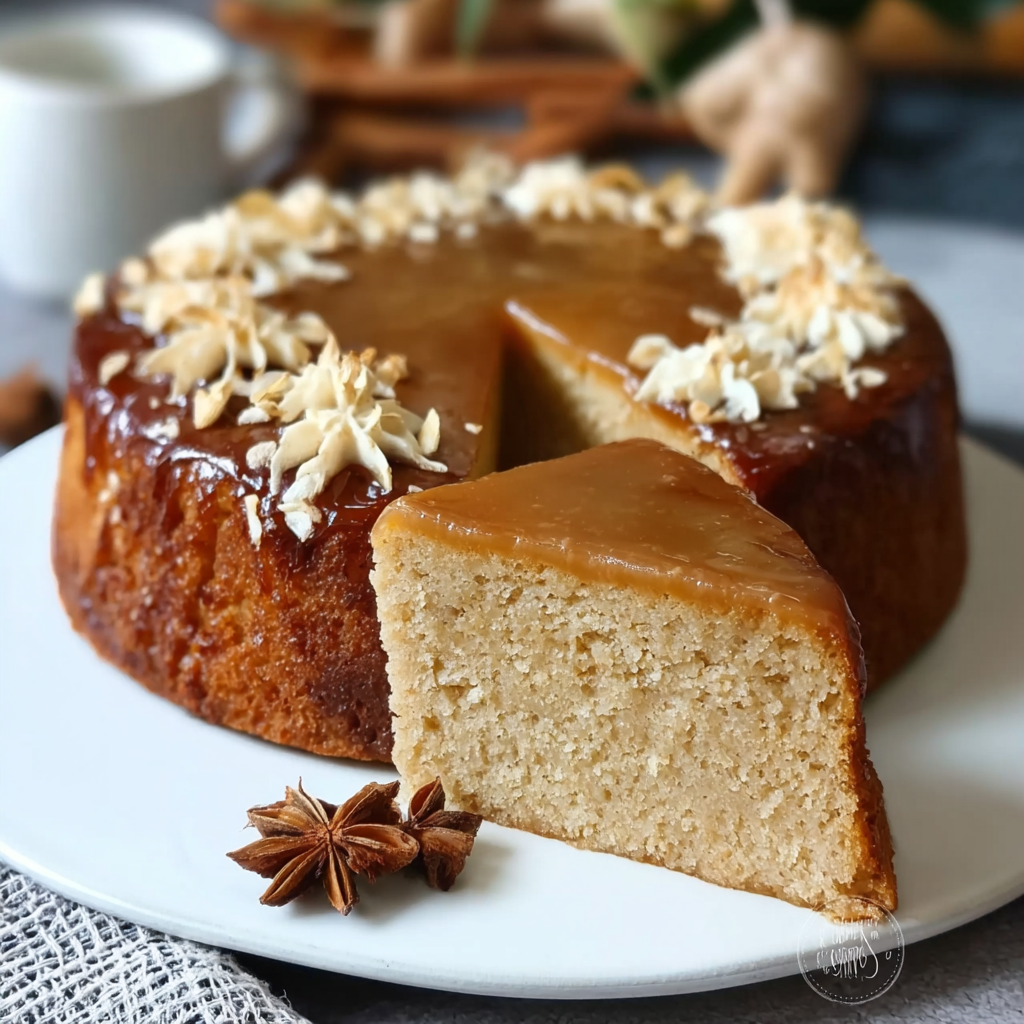
Step-by-Step Instructions
Step 1: The Maillard-Aromatic Phase
Preheat oven to 175°C (350°F). Grease and line an 8-inch round pan with parchment paper. In a small bowl, whisk together the almond flour, spices, baking powder, and salt.
Step 2: The Egg-Sugar Aeration
In a large bowl, whisk the eggs and brown sugar together until thick, pale, and fluffy (about 3 minutes). Scientific Insight: You are creating a stable foam. The sugar molecules coat the protein strands in the eggs, helping them hold air bubbles when heated.
Step 3: The Lipid-Emulsion Integration
Whisk in the melted butter and vanilla extract into the egg mixture. Actionable Tip: Ensure the butter is cooled to room temperature before adding to prevent the eggs from cooking (“scrambling”).
Step 4: The Fold-In
Gently fold the dry ingredients into the wet ingredients using a spatula. Scientific Insight: Do not over-mix! Over-mixing breaks the air bubbles you created, leading to a dense, heavy cake.
Step 5: The Thermal Bake
Pour the batter into the prepared pan. Bake for 30–35 minutes, or until a toothpick inserted into the center comes out clean. Data Insight: Almond flour cakes have a high thermal density, meaning they take longer to heat through but hold heat longer, ensuring an even bake.
Nutritional Information
| Metric | Amount Per Serving (1 of 10) |
| Calories | 240 kcal |
| Total Fat | 18g |
| Carbohydrates | 15g |
| Fiber | 2g |
| Protein | 5g |
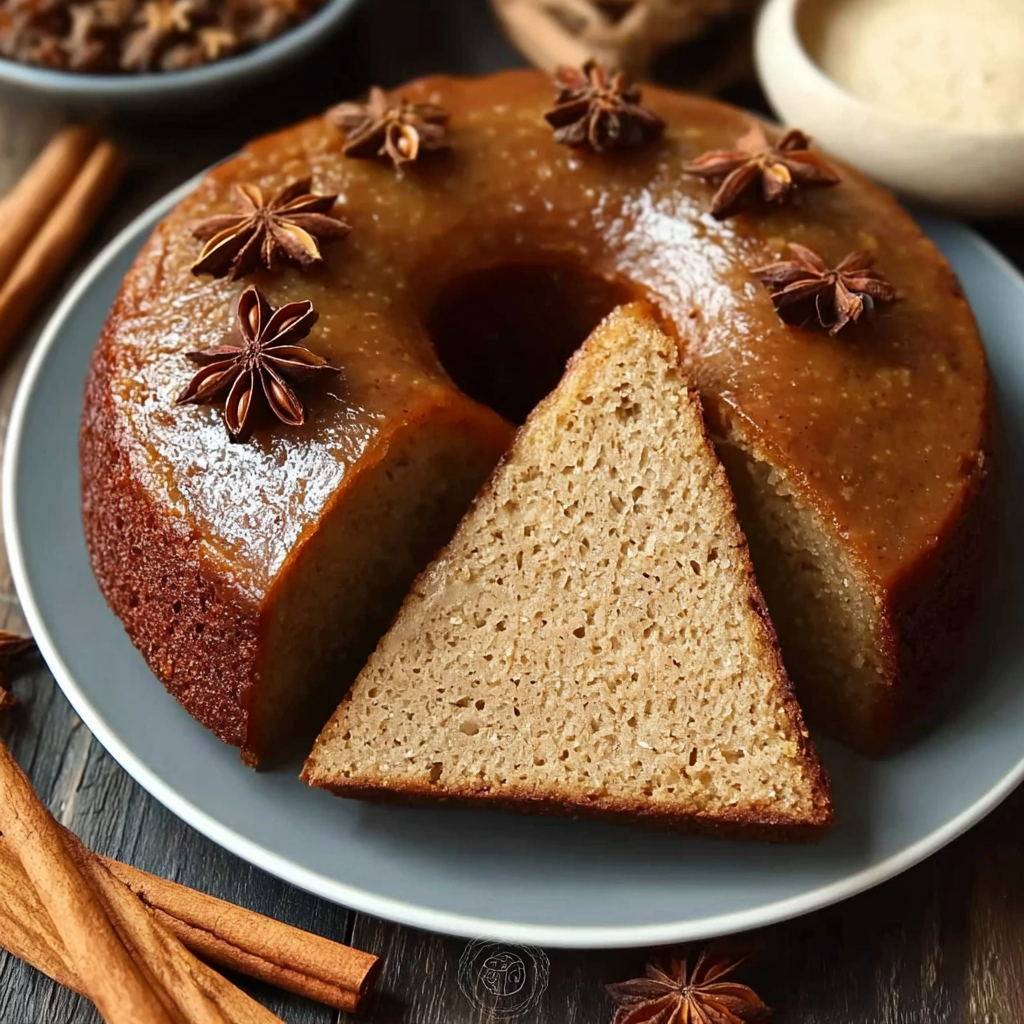
Common Mistakes to Avoid
- Using Coarse Almond Meal: Coarse meal results in a gritty, heavy cake. Use super-fine almond flour for a smooth, cohesive crumb.
- Skipping the Ribbon Stage: If the eggs are not whipped enough, the cake will be flat and dense.
- Cutting Too Soon: Let the cake cool completely in the pan before removing. Almond flour cakes are fragile when hot and will collapse if handled prematurely.
Leave a Reply