Introduction
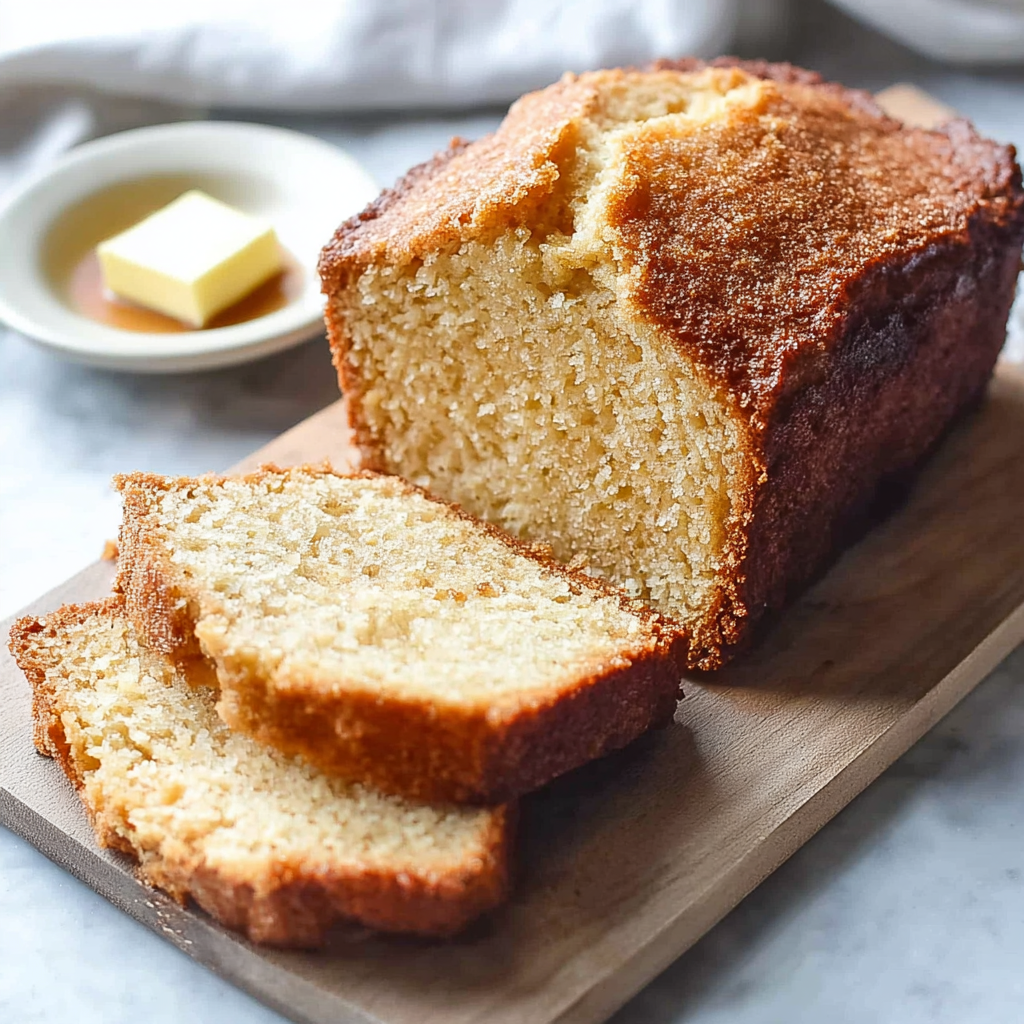
Did you know that Amish culinary traditions emphasize “slow food” principles long before it was a modern trend? One of the cornerstones of this tradition is Amish Sweet Bread (also known as Amish White Bread or Milk Bread). Unlike standard sandwich bread, which can be airy but dry, this loaf is renowned for its tight, feathery crumb and subtle sweetness derived from the interaction of yeast and sugar in a warm, moist environment.
This recipe for Homemade Amish Sweet Bread is the ultimate beginner-friendly yeast bread. It challenges the fear of kneading by being incredibly forgiving. Because it uses the “fat-in-dough” method (oil and sugar mixed with water), the gluten strands are coated, resulting in a dough that is soft, pliable, and rarely tough. Whether you are looking for the perfect vehicle for French Toast or simply want a slice of warm bread with butter, this recipe delivers a bakery-quality loaf that stays soft for days.
Ingredients List
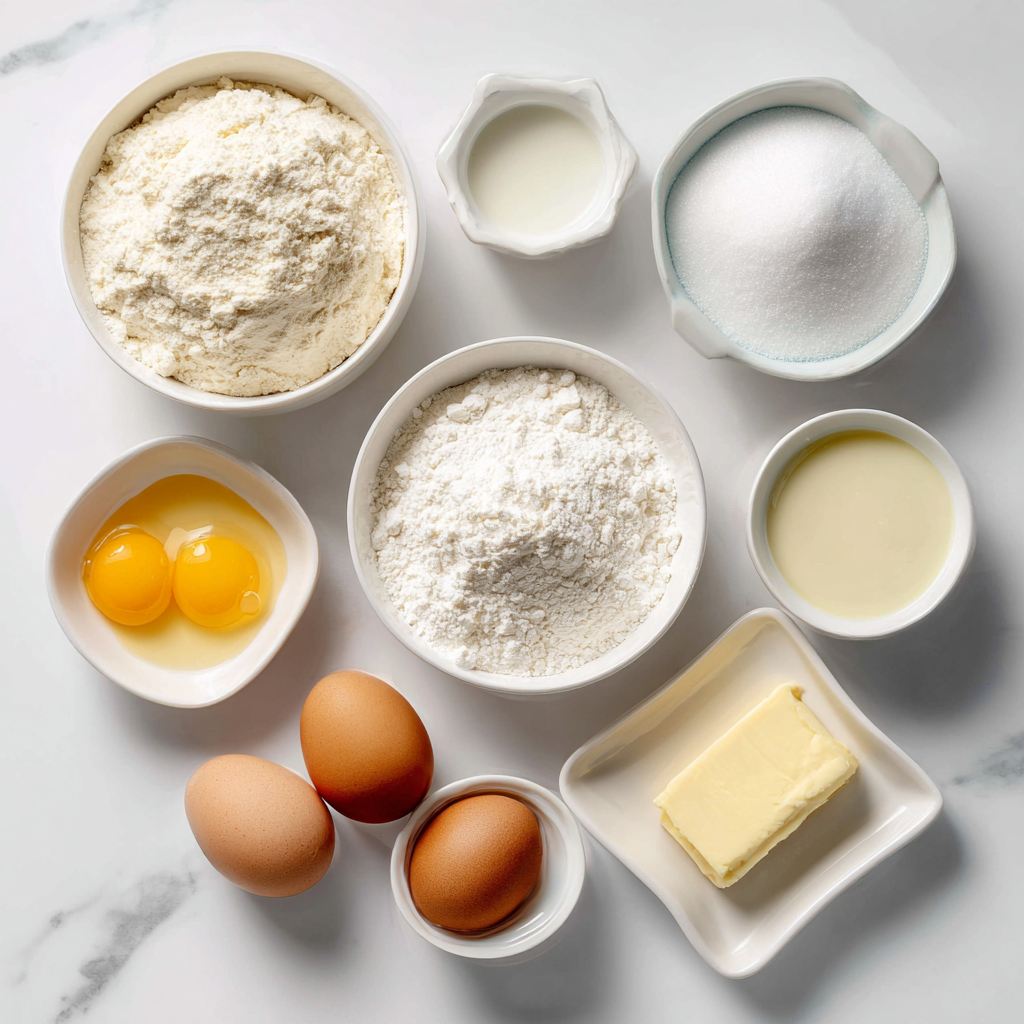
To achieve the signature soft crust and sweet interior, the ratio of sugar to water is higher than in standard French breads. Here is your curated shopping list.
The Yeast Activation:
- 2 Cups Warm Water:
- Critical Spec: Temperature must be between 105°F and 115°F. Too hot kills the yeast; too cold prevents the rise.
- 2/3 Cup Granulated Sugar: Yes, it seems like a lot, but this feeds the yeast and tenderizes the crumb.
- 1 ½ Tablespoons Active Dry Yeast: (Approx. 2 packets).
- Why Active Dry? It provides a slower, more flavorful rise than Instant Yeast, though Instant works if you skip the blooming step.
The Dough Body:
- 1 ½ Teaspoons Salt: Essential to control yeast growth and flavor.
- ¼ Cup Vegetable Oil: Or melted butter. This fat keeps the bread moist and soft.
- 5 ½ to 6 ½ Cups All-Purpose Flour (or Bread Flour):
- Note: Bread flour will give a chewier texture and higher rise. All-purpose flour yields a softer, more cake-like crumb. Both work well.
Substitutions:
- Sweetener: You can substitute half the sugar for Honey for a more floral sweetness, but the dough will be stickier.
- Fat: Canola oil, melted lard, or butter are all traditional fats used in Amish kitchens.
Timing
This bread requires two rises (proofing periods).
- Preparation Time: 20 minutes.
- Rise Time (First Proof): 1 hour.
- Rise Time (Second Proof): 30–45 minutes.
- Baking Time: 30–35 minutes.
- Total Time: Approx. 2 hours 40 minutes.
Data Insight: Allowing the dough to rise until truly doubled (rather than watching the clock) is the secret to fluffy bread. In a warm kitchen (75°F), this might take 45 minutes; in a cool one (65°F), it might take 90 minutes.
Step-by-Step Instructions
Step 1: Proofing the Yeast (The Bloom)
In a large bowl (or stand mixer bowl), dissolve the 2/3 cup sugar in the 2 cups warm water.
- Action: Sprinkle the yeast on top. Stir gently. Let it sit for 5–10 minutes.
- Visual Cue: The mixture should become foamy and bubbly. If it doesn’t foam, your yeast is dead. Start over.
Step 2: The Mixing
Add the salt and vegetable oil to the yeast mixture.
- Add Flour: Stir in the flour, one cup at a time.
- Technique: Start with 5 cups. Mix until it forms a shaggy dough. If it is still very wet and sticking to the sides, add more flour, ½ cup at a time. The dough should be tacky (like a post-it note) but not sticky (like gum).
Step 3: The Knead
- Stand Mixer: Knead with the dough hook on low speed for 5–7 minutes.
- By Hand: Turn dough onto a floured surface. Knead for 8–10 minutes. Push with the heel of your hand, fold over, and turn.
- Goal: The dough should be smooth, elastic, and spring back when poked.
Step 4: The First Rise
Grease a large bowl with oil or cooking spray. Place the dough inside, turning it once to coat the top in oil.
- Cover: Cover with a damp cloth or plastic wrap. Place in a warm, draft-free spot.
- Wait: Let rise for 1 hour, or until doubled in size.
- Fun Test: Poke two fingers into the dough. If the indentation stays, it’s ready.
Step 5: Shaping
Punch the dough down (literally, punch it to release gas). Divide into 2 equal loaves.
- Form: Pat each half into a rectangle, then roll it up tightly like a jelly roll. Pinch the seams closed and tuck the ends under.
- Pan: Place into two greased 9×5 inch loaf pans.
Step 6: The Second Rise
Cover the pans. Let rise again for 30–45 minutes.
- Visual Cue: The dough should rise about 1 inch above the rim of the pan.
- Preheat: While rising, preheat oven to 350°F (175°C).
Step 7: Bake
Bake for 30–35 minutes.
- Doneness: The tops should be golden brown. If you tap the bottom of the loaf, it should sound hollow.
- Optional: Brush the tops with melted butter immediately after removing from the oven for a soft crust. Cool on a wire rack.
Nutritional Information
This is a standard white carbohydrate source. Estimated breakdown per slice (based on 12 slices per loaf):
| Nutrient | Amount | % Daily Value |
| Calories | 160 kcal | – |
| Carbohydrates | 30g | 10% |
| Protein | 4g | 8% |
| Total Fat | 3g | 4% |
| Sugars | 6g | – |
Data Insight: While white bread has a high glycemic index, the inclusion of fat (oil) in the dough slightly slows digestion compared to fat-free French breads. It is best consumed as part of a meal with protein and fiber.
Healthier Alternatives for the Recipe
Customize your Amish Bread for nutrition:
- Whole Wheat Blend:
- Use 50% Whole Wheat Flour and 50% All-Purpose Flour.
- Modification: You may need slightly more water, as whole wheat absorbs more liquid.
- Lower Sugar:
- Reduce sugar to ¼ cup. The yeast will still work, but the bread will be less sweet and will brown less intensely.
- Added Fiber:
- Add 2 tablespoons of ground flaxseed or chia seeds to the flour mixture.
Serving Suggestions
This bread is incredibly versatile.
- French Toast: Because of the tight crumb and sugar content, this bread caramelizes beautifully in a pan and absorbs egg custard without disintegrating.
- Sandwiches: It makes the ultimate PB&J or Grilled Cheese.
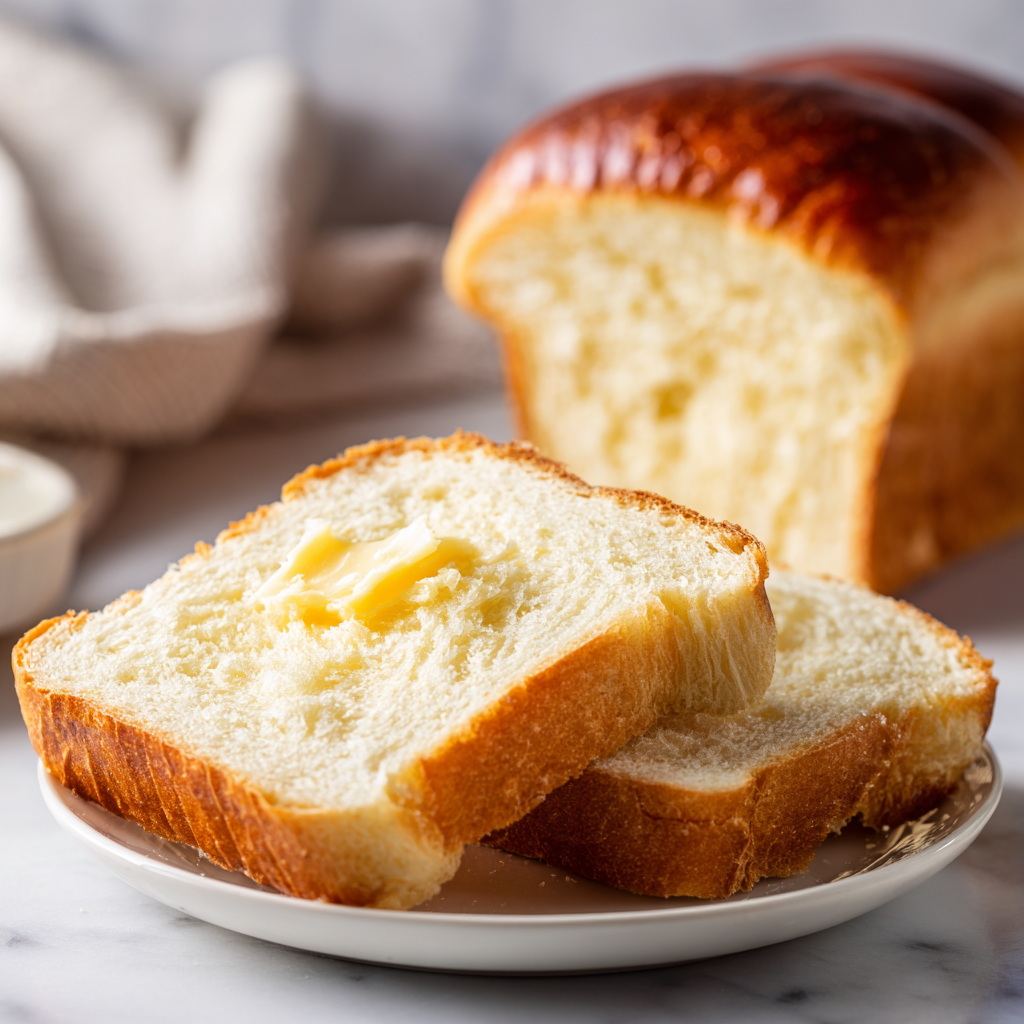
- Simple: Warm slice with salted butter and honey.
Common Mistakes to Avoid
Yeast baking requires observation.
- Killing the Yeast:
- The Error: Water over 120°F.
- The Result: A dense brick that never rises.
- The Fix: Use a thermometer or the “wrist test” (should feel like warm bath water).
- Too Much Flour:
- The Error: Adding flour until the dough is dry and hard to knead.
- The Result: Dry, crumbly bread.
- The Fix: Stop adding flour while the dough is still slightly tacky.
- Slicing Hot:
- The Error: Cutting immediately.
- The Result: The steam escapes and the bread turns gummy.
- The Fix: Cool completely (or at least 30 mins).
Storing Tips for the Recipe
Homemade bread has no preservatives.
- Room Temperature: Store in a plastic bag or bread box for up to 3–4 days.
- Freezing:
- Method: Slice the loaf, then freeze the slices in a freezer bag.
- Usage: You can toast frozen slices directly. They taste fresh-baked for up to 3 months.
Conclusion
Homemade Amish Sweet Bread is the gateway drug to bread baking. It smells incredible, tastes like comfort, and yields two massive loaves for pennies on the dollar compared to store-bought artisan bread. By respecting the yeast and resisting the urge to over-flour, you can produce a loaf that is fluffy, tender, and distinctly homemade.
Summary: A beginner-friendly white bread recipe yielding two loaves. Features a soft, sweet crumb and golden crust. Requires kneading and two rises.
Ready to smell the yeast?
Get your bowls out! Rate this recipe 5 stars if your loaves rose high, and leave a comment below: do you butter the crust? Subscribe for more baking basics!
FAQs
Can I halve the recipe?
Yes. You can easily halve all ingredients to make just one loaf. The timing remains exactly the same.
Why did my bread collapse?
If the bread rises beautifully and then collapses in the oven, it was likely over-proofed (let rise too long on the second rise). The gluten structure became too weak to hold the air bubbles.
Can I use milk instead of water?
Yes. Using warm milk (scalded then cooled) instead of water makes an even richer, softer loaf, closer to a Brioche.
Do I need a stand mixer?
No. Generations of Amish bakers made this by hand. It takes about 10 minutes of hand-kneading, which is a great workout!
Leave a Reply