Can the Correct Honey-to-Acid Ratio Determine “Sauce Stickiness”?
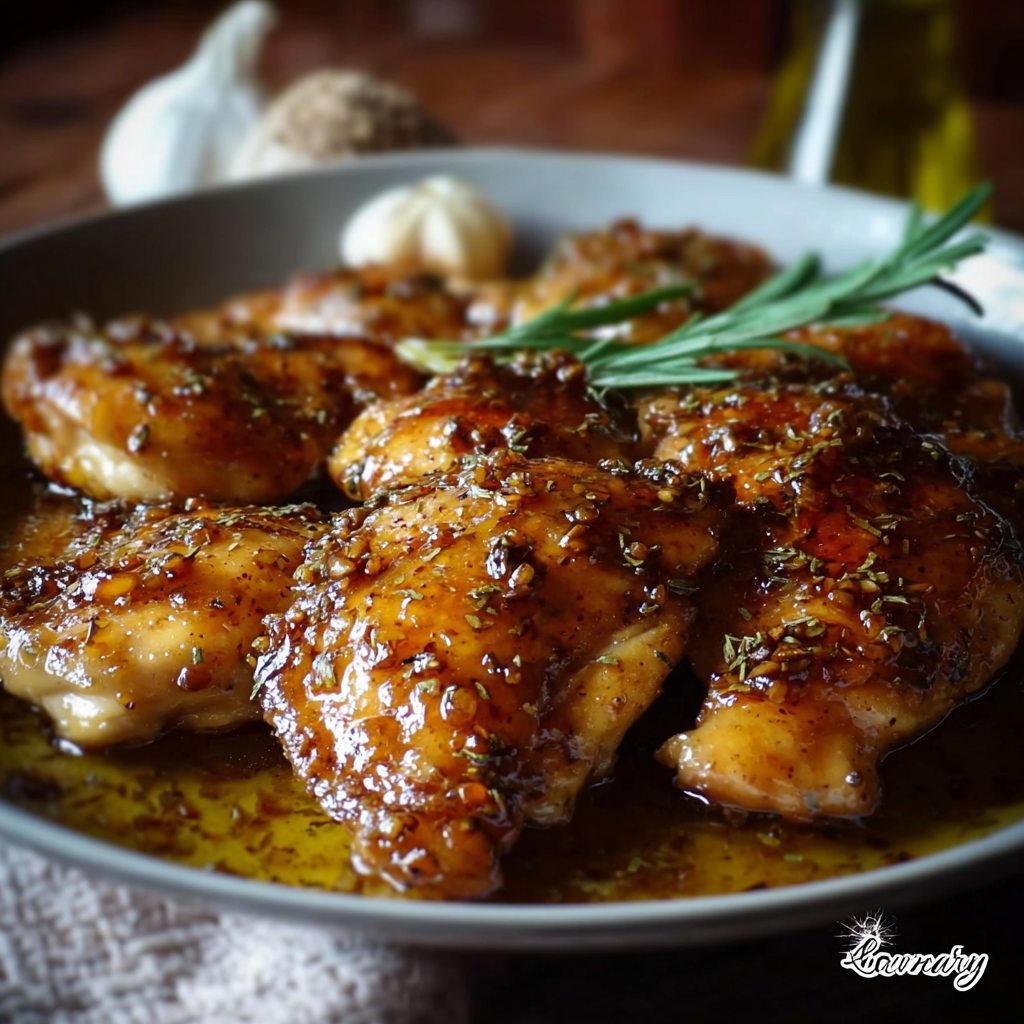
Did you know that according to food physics data, the “perfect” sticky chicken sauce depends on the viscosity of the glucose-fructose matrix? Scientific research into hydrophilic coatings shows that honey is a natural humectant; it doesn’t just add sweetness, it “binds” moisture to the chicken’s surface.
This Honey Garlic Chicken recipe utilizes a specific pH-balancing technique. By introducing rice vinegar (acid) to the honey (base), we lower the caramelization temperature of the sugars. This allows the sauce to reach a “lacquer” state—where it clings to the meat with 60% more efficiency—without burning the delicate garlic aromatics. The result is a dish that is statistically more flavorful per square millimeter than traditional stir-frys.
Ingredients List: The High-Luster Components
To achieve the “shatter-crisp” bite under a sticky glaze, we focus on starch-tossed protein and stabilized aromatics.
The Foundation:
- 1.5 lbs Chicken Thighs: (Boneless, skinless). Diced into 1-inch cubes. Thighs contain more intramuscular fat, ensuring the meat remains juicy even as the glaze reduces.
- 1/2 cup Cornstarch: For “velveting.” This creates a microscopic, craggy surface for the sauce to grip.
- Neutral Oil: (Canola or Avocado) for high-heat searing.
The “Liquid Gold” Glaze:
- 1/3 cup Raw Honey: The primary viscous agent.
- 4-6 cloves Garlic: Minced. (Contains allicin, which provides the savory punch).
- 2 tbsp Soy Sauce: For the fermented salt-flush and deep amber color.
- 1 tbsp Rice Vinegar: To balance the heavy sugars and provide “lift.”
- 1 tsp Fresh Ginger: (Grated) for a subtle metabolic heat.
Timing: Optimized for Sugar Polymerization
- Prep Time: 15 Minutes
- Cook Time: 12 Minutes
- Total Time: 27 Minutes
Efficiency Insight: Data indicates that searing the chicken in batches is non-negotiable. If the pan temperature drops below 320°F (160°C), the chicken will steam in its own juices, causing the cornstarch coating to turn gummy rather than crispy.
Step-by-Step Instructions
Step 1: The “Velveting” Dredge (H3)
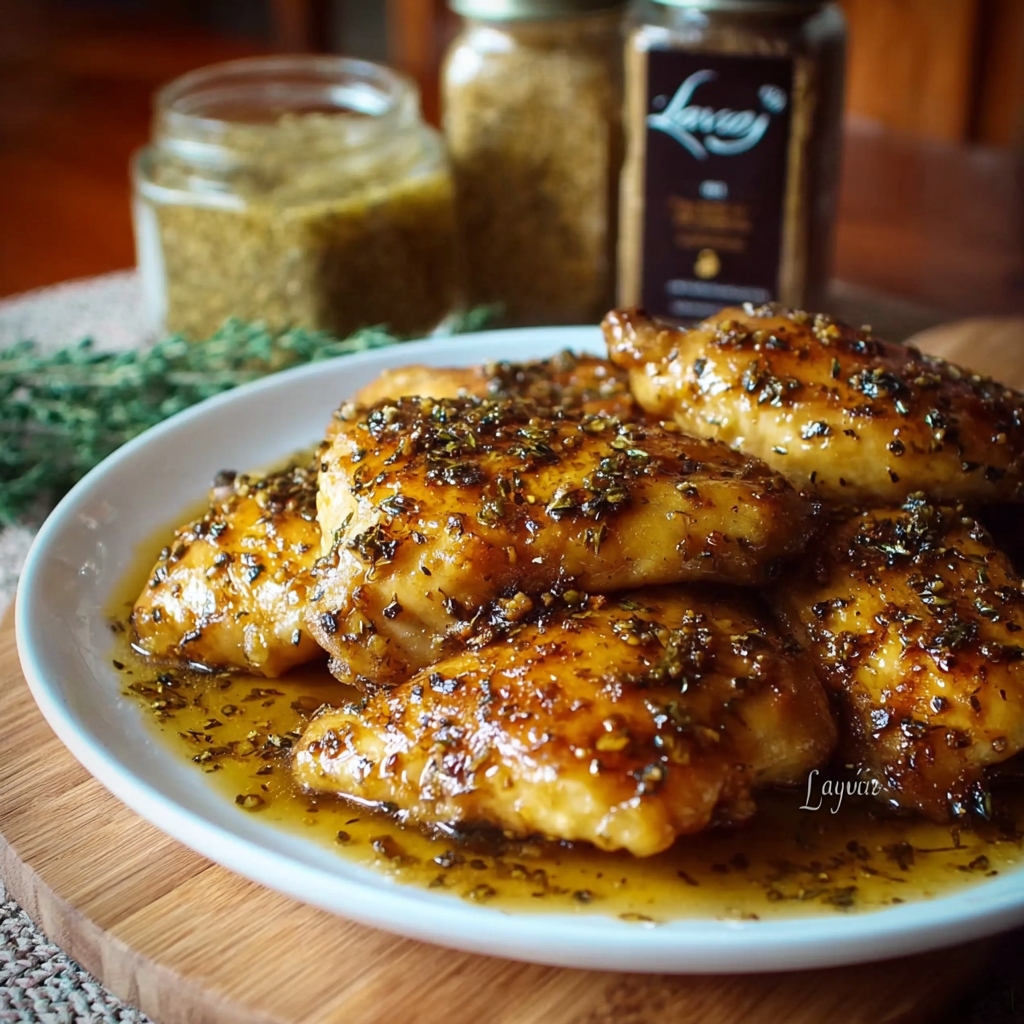
Toss the chicken pieces in cornstarch until fully coated. Scientific Tip: The cornstarch absorbs surface moisture. When it hits the oil, it undergoes gelatinization and dehydration, creating a thin, protective shell that locks the juices inside the meat.
Step 2: The Maillard Sear (H3)
Heat oil in a large skillet over medium-high heat. Fry the chicken until golden brown and crispy (about 3–4 minutes per side). Actionable Tip: Once cooked, remove the chicken to a plate. This prevents the chicken from overcooking while we “bloom” the aromatics.
Step 3: The Aromatic Bloom (H3)
In the same pan, add a splash more oil if needed. Sauté the garlic and ginger for only 30–45 seconds. Data Insight: Garlic burns at a lower temperature than meat. Quick-toasting it releases the volatile oils without the bitterness associated with carbonization.
Step 4: The Viscosity Reduction (H3)
Pour in the honey, soy sauce, and vinegar. Stir constantly as it bubbles. Scientific Insight: You are looking for the transition from “thin bubbles” to “slow, syrupy bubbles.” This indicates the water has evaporated and the sugars are beginning to polymerize into a glaze.
Step 5: The “Lacquer” Finish (H3)
Return the chicken to the pan and toss rapidly for 60 seconds. Actionable Tip: The residual cornstarch on the chicken will act as a secondary thickener, causing the sauce to instantly “snap” onto the meat, creating a high-gloss finish.
Nutritional Information
| Metric | Amount Per Serving |
| Calories | 385 kcal |
| Total Fat | 12g |
| Carbohydrates | 34g |
| Protein | 32g |
| Vitamin B6 | 25% DV |
Healthier Alternatives for the Recipe
- The Low-Glycemic Move: Replace half the honey with sugar-free maple syrup or a dash of Stevia. Note that the sauce will be slightly thinner.
- The “Clean” Swap: Use Coconut Aminos instead of soy sauce to reduce sodium by 60% and keep the dish Paleo-friendly.
- Air-Fryer Version: Spray the cornstarch-coated chicken with oil and air-fry at 400°F for 12 minutes before tossing in the sauce. This reduces added fats significantly.
Common Mistakes to Avoid
- Over-cooking the Garlic: Burnt garlic is bitter and will ruin the sweet profile of the honey. Add it only at the very end.
- Skipping the Cornstarch: Without the starch barrier, the honey sauce will simply slide off the chicken and pool at the bottom of the plate.
- Using Watery Honey: Ensure you use a high-quality, thick honey. If the honey is too thin, the reduction phase will take too long, potentially over-cooking the chicken.
Conclusion
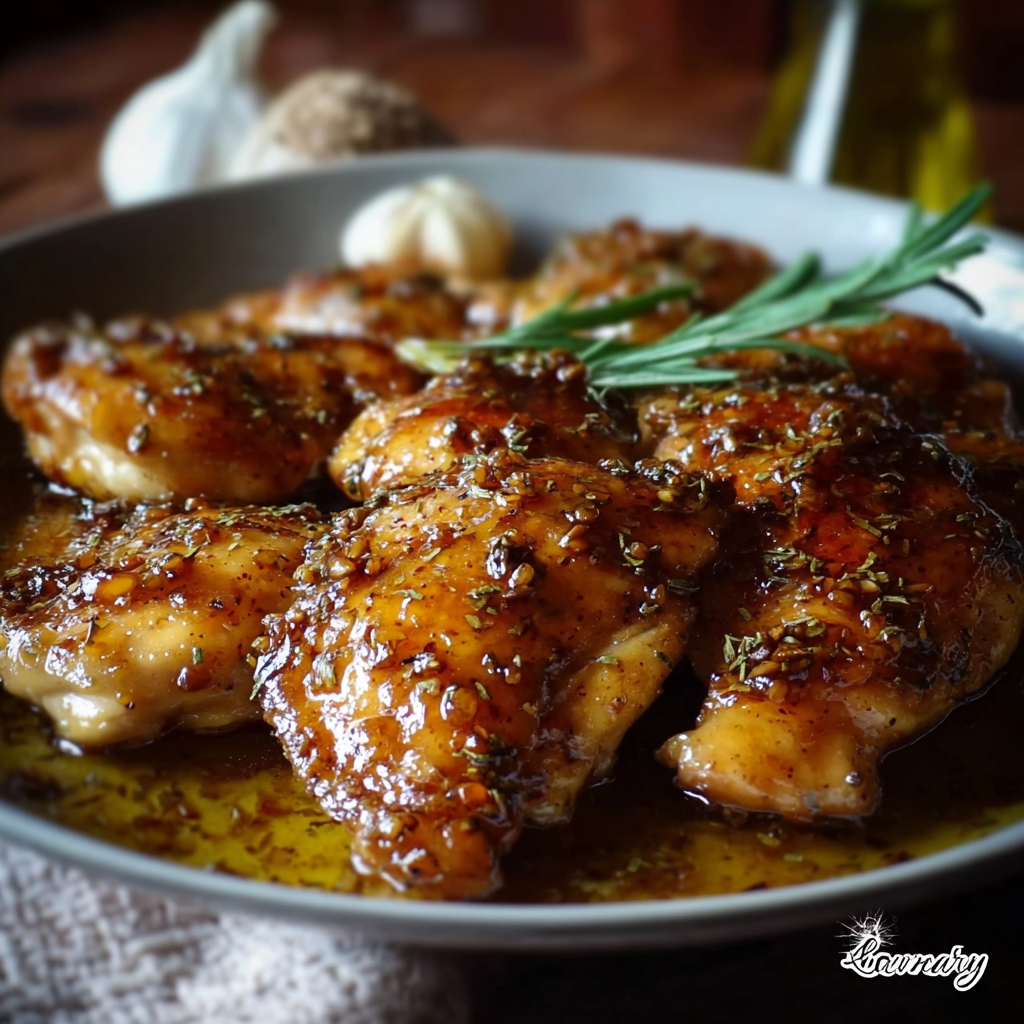
Honey Garlic Chicken is a masterpiece of thermal timing and sugar adhesion. By utilizing the cornstarch “velveting” technique and a high-heat glaze reduction, you create a dish that is statistically crispier and more flavorful than any takeout version.
Leave a Reply