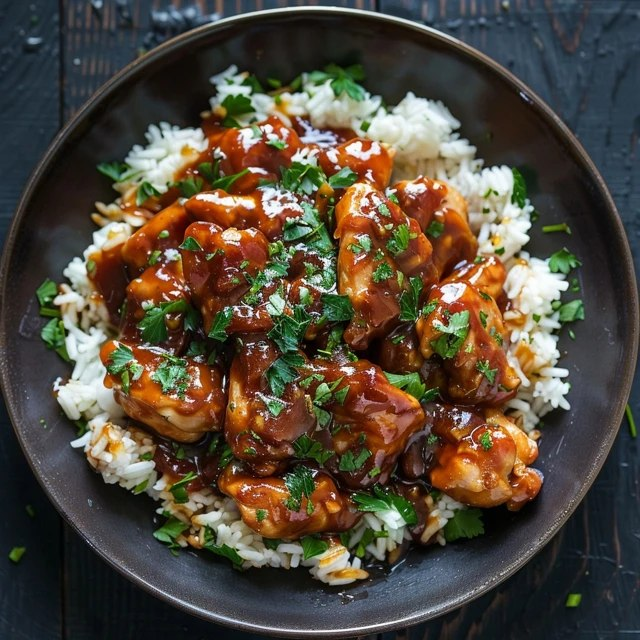
This is the curry that taught me Indian food belongs at my weeknight table, not just in restaurants — and it’s been on rotation for years now. Chicken curry is the fragrant North-Indian dinner you’ll never need to order from a restaurant again: bone-in chicken thighs simmered in a rich gravy of caramelized onions, ginger, garlic, and pureed tomatoes layered with toasted whole spices, ground coriander, cumin, turmeric, Kashmiri chili, and a finishing dust of garam masala. 50 minutes, serves 4-5, scoop with naan or spoon over basmati.
Fun fact: the word “curry” doesn’t actually exist in Indian cooking — it’s a British colonial-era anglicization of the Tamil word “kari” (meaning sauce or gravy). In India, every dish has its own specific name (murgh masala, chicken korma, butter chicken, rogan josh), and they each use different spice blends. What Americans call “chicken curry” most closely resembles “murgh masala” — a basic everyday curry that home cooks in Punjab, Delhi, and across the North make multiple times a week with whatever they have on hand.
Why this recipe works
- Bloom whole spices first. Cardamom, cloves, cinnamon, bay leaf sizzled in hot oil release essential oils that powdered spices alone can’t deliver. The 30-second bloom is the soul of the curry.
- Caramelize onions deeply. 12-15 minutes until deep golden, not light. The “brown” is the natural sweetness that balances all the spice — undercooked onions = harsh curry.
- Garam masala at the END. This delicate finishing spice loses fragrance when cooked long. Stir in during the last 2 minutes for the signature warm-aromatic top note.
Nutrition information
- Calories: 430 kcal per serving
- Protein: 35 g (70% DV)
- Carbohydrates: 14 g
- Fat: 26 g
- Iron: 22% DV
- Vitamin A: 18% DV
Pro tips for restaurant-quality curry
- Use bone-in chicken. Bone-in thighs add depth to the gravy as they simmer. Boneless works but the curry loses a layer of richness.
- Look for “oil separating.” When the tomato-onion masala releases oil at the edges, you’ve cooked it long enough. This is the visual cue Indian grandmothers look for.
- Make it 1 day ahead. Curry tastes 30% better on day 2 — the spices fully infuse the gravy and chicken overnight. Indian restaurants always serve aged curry.
- Kashmiri chili for color, not heat. Gives the curry its signature deep red without making it spicy. Regular cayenne adds heat but not color depth.
Frequently asked questions
How long does it keep?
Refrigerator 4 days, freezer 3 months. Reheat gently over low heat with a splash of water to loosen the gravy. Flavor actually improves overnight — this is the rare leftovers-better-than-fresh dish.
Can I use chicken breast?
Yes — cut into 1.5-inch pieces, reduce simmer to 12-15 min. Breast can dry out, so don’t overcook. Add at step 5 with all water and check at 12 min.
How spicy is it?
Medium-mild with 1.5 tsp Kashmiri chili (mostly flavor, not heat). To make spicy, add 1 minced Thai/serrano chili with the ginger-garlic. To make milder, use 1 tsp Kashmiri only.
What’s garam masala vs curry powder?
Curry powder is a British invention (heavy on turmeric, no individual flavor layer). Garam masala is the traditional Indian finishing blend of warm spices (cardamom, cinnamon, clove, nutmeg) used at the END of cooking. They’re not interchangeable.
Can I make it in a slow cooker?
Do steps 1-4 in a skillet, transfer to slow cooker with chicken and water. Cook on low 6 hours or high 3 hours. Stir in garam masala in the last 10 minutes.
Why is my curry watery?
Didn’t cook tomato masala long enough at step 3, or used too much water. Simmer uncovered 5 extra minutes at the end to reduce. Or remove chicken, reduce gravy on high, then return chicken.