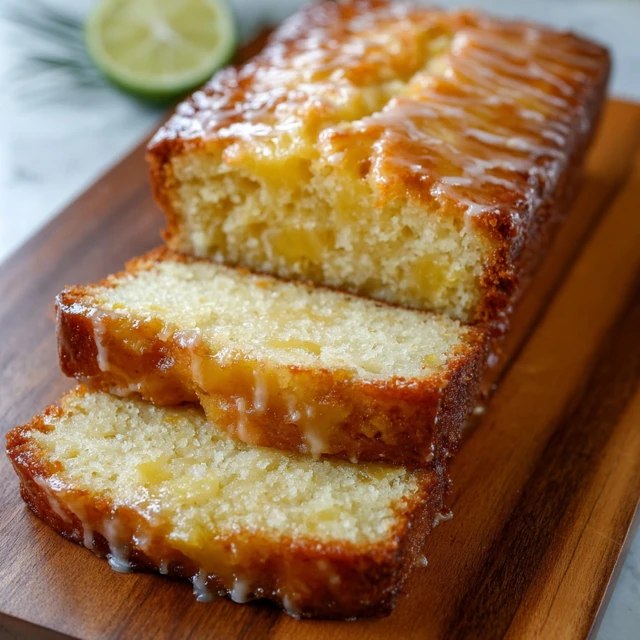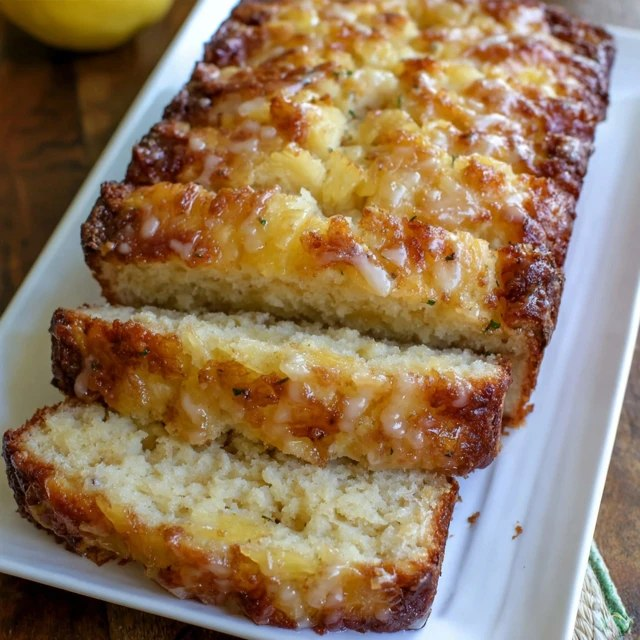
This is the cake I make every time I have friends over for afternoon tea — it’s the most quietly impressive baking project. Lemon drizzle cake is the British tea-time classic. Buttery lemon pound cake baked into a tender loaf, then while still warm, poked all over and drenched with a tangy-sweet lemon-sugar mixture that soaks into the cake and crystallizes on top into a crunchy sugary crust. 60 minutes, one bowl, completely irresistible.
Fun fact: lemon drizzle cake is the UK’s most-baked cake — a 2019 Tesco survey found it outranked Victoria sponge as Britain’s #1 home-baked cake. It became iconic in the 1980s when Mary Berry published the modern version in her cookbook “Mary Berry’s Ultimate Cake Book.” The “drizzle” technique (sugar dissolved in lemon juice poured over warm cake) creates a unique two-textured result — moist crumb plus crunchy crystal-sugar top crust.
Why this recipe works
- Drizzle while warm. A warm cake absorbs the lemon syrup deep into the crumb. Cold cake just sits there with syrup pooling on top — soggy disaster.
- Poke holes for absorption. Use a skewer to poke 30+ holes across the top. The drizzle flows through every layer instead of sitting on the surface.
- Use both zest and juice in the cake AND drizzle. Zest gives the perfume, juice gives the brightness. Both throughout = explosive lemon flavor in every bite.
Nutrition information
- Calories: 380 kcal per slice (1 of 10)
- Protein: 5 g
- Carbohydrates: 48 g
- Fat: 20 g
- Sugar: 30 g
- Vitamin C: 10% DV
Pro tips for the perfect drizzle
- Don’t dissolve the sugar. Leave it gritty in lemon juice — those crystals are what create the iconic crunchy top crust as the liquid evaporates.
- Use real butter only. Margarine or oil makes a wet greasy cake. Real butter creates the pound-cake structure that holds the drizzle.
- Poke holes ALL THE WAY down. Shallow holes mean drizzle stays on top. Deep holes mean lemon flavor in every single bite from top to bottom.
- Improves day 2. Like all syrup-soaked cakes, the lemon develops overnight. Bake one day ahead for parties — better texture and flavor.
Frequently asked questions
What is self-rising flour?
Flour with baking powder and salt already mixed in (UK standard). Make your own: 1 cup AP flour + 1 1/2 tsp baking powder + 1/4 tsp salt. Lemon drizzle cake traditionally uses self-rising for its slightly fluffier crumb.
How long does it keep?
Room temperature 4 days in airtight container (the sugar acts as preservative). Refrigerator 1 week. Freezer 3 months — wrap in plastic + foil. Thaw at room temp for 2 hours.
Can I make it in a Bundt pan?
Yes — double the recipe for a 10-cup Bundt. Bake at 350°F for 55-65 min. Drizzle hot cake while still in the pan, then flip onto a rack so drizzle pools beautifully on top.
Why is my cake dense?
Either you didn’t cream butter and sugar long enough (need 4-5 min), used cold eggs (room temp essential), or overmixed flour. Cream long, room-temp eggs, fold gently — fluffy cake guaranteed.
Can I make it less sweet?
Reduce cake sugar to 3/4 cup and drizzle sugar to 1/3 cup. Or use the drizzle alone (skip optional glaze). It’s a sweet cake by design — sweetness balances the tart lemon acid.
What’s the best lemon to use?
Meyer lemons (sweeter, more floral) or regular Eureka lemons both work. Avoid bottled juice — fresh has dramatically better flavor and you need the zest anyway. Roll lemons firmly on the counter before juicing for max yield.