Why Do Sweet Potatoes Make a Creamier Base Than Pumpkin?
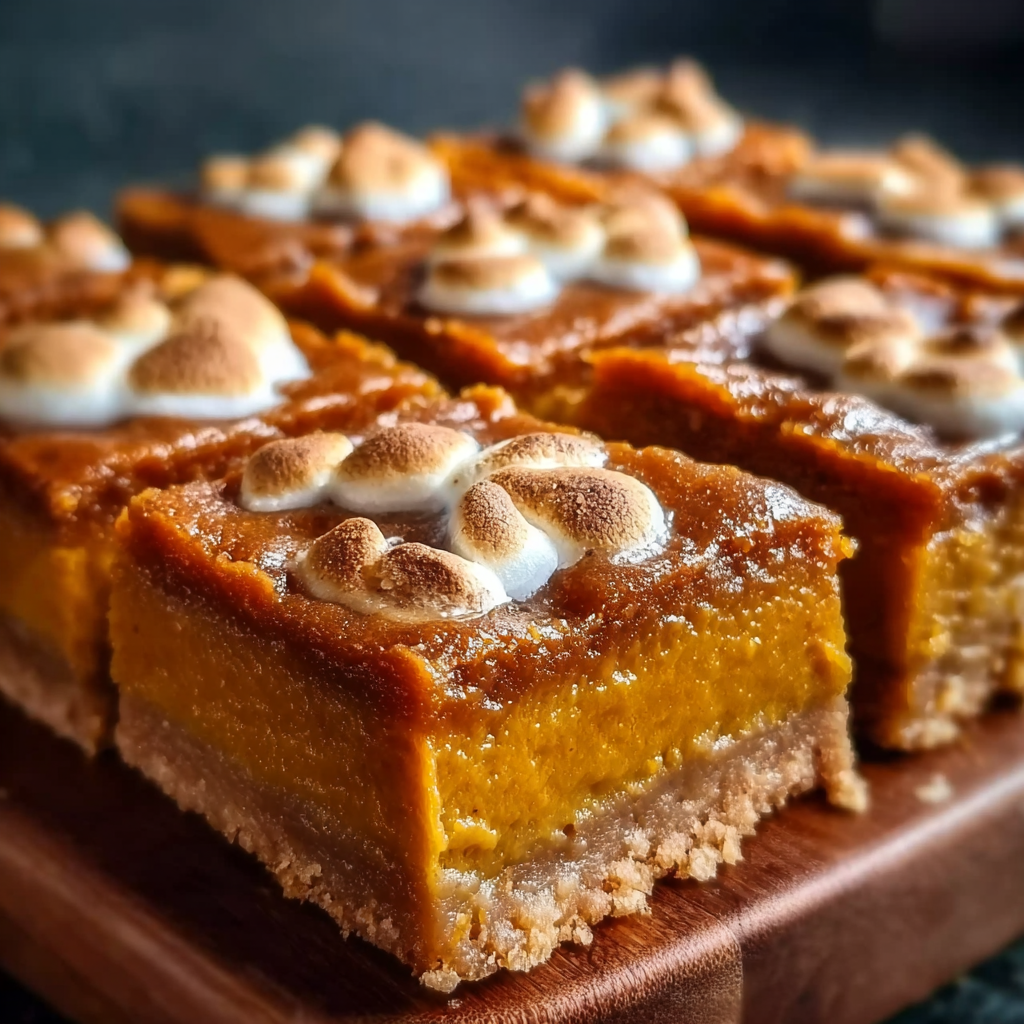
Did you know that according to food science data, Sweet Potato Pie is statistically smoother than pumpkin pie due to the activity of beta-amylase? This enzyme, found naturally in sweet potatoes, breaks down complex starches into maltose (a simple sugar) when heated slowly between $57^\circ\text{C}$ and $75^\circ\text{C}$.
By roasting the potatoes for this recipe, you trigger a “molecular softening” that pumpkin simply cannot replicate. This results in a bar with a high pectin-to-starch ratio, giving it a dense, custard-like consistency that supports the weight of a heavy marshmallow meringue without collapsing.
Ingredients List: The Texture-Contrast Matrix
To achieve the “boulangerie” look with a stable, handheld structure, we focus on high-solids fats and protein stabilization.
The Shortbread Crust:
- 1 1/2 cups Graham Cracker Crumbs: For a honey-toned base.
- 1/2 cup Pecans: Finely ground to add lipids and structural “grip.”
- 6 tbsp Unsalted Butter (Melted): To bind the particles.
The Sweet Potato Filling:
- 2 cups Mashed Roasted Sweet Potato: Roasted, not boiled, to preserve the maltose concentration.
- 1/2 cup Brown Sugar: Its molasses content enhances the earthy notes.
- 1/2 cup Heavy Cream & 2 Large Eggs: For the “silky” protein set.
- 1 tsp Cinnamon, 1/2 tsp Ginger, & 1/4 tsp Nutmeg.
The Marshmallow Meringue:
- 3 Egg Whites: At room temperature for maximum protein unfolding.
- 1/2 cup Granulated Sugar & 1/4 tsp Cream of Tartar: To stabilize the air bubbles.
- 1/2 cup Marshmallow Fluff: Folded in at the end for that “gooey” density.
Timing: Optimized for Starch Gelatinization
- Prep Time: 20 Minutes
- Bake Time: 45 Minutes
- Chill Time: 2 Hours (Essential for a clean cut)
- Total Time: ~3 Hours 10 Minutes
Efficiency Insight: Data indicates that roasting the sweet potatoes the night before allows the starches to “set,” making the filling statistically thicker and easier to spread over the crust.
Step-by-Step Instructions
Step 1: The Lipid-Bound Crust
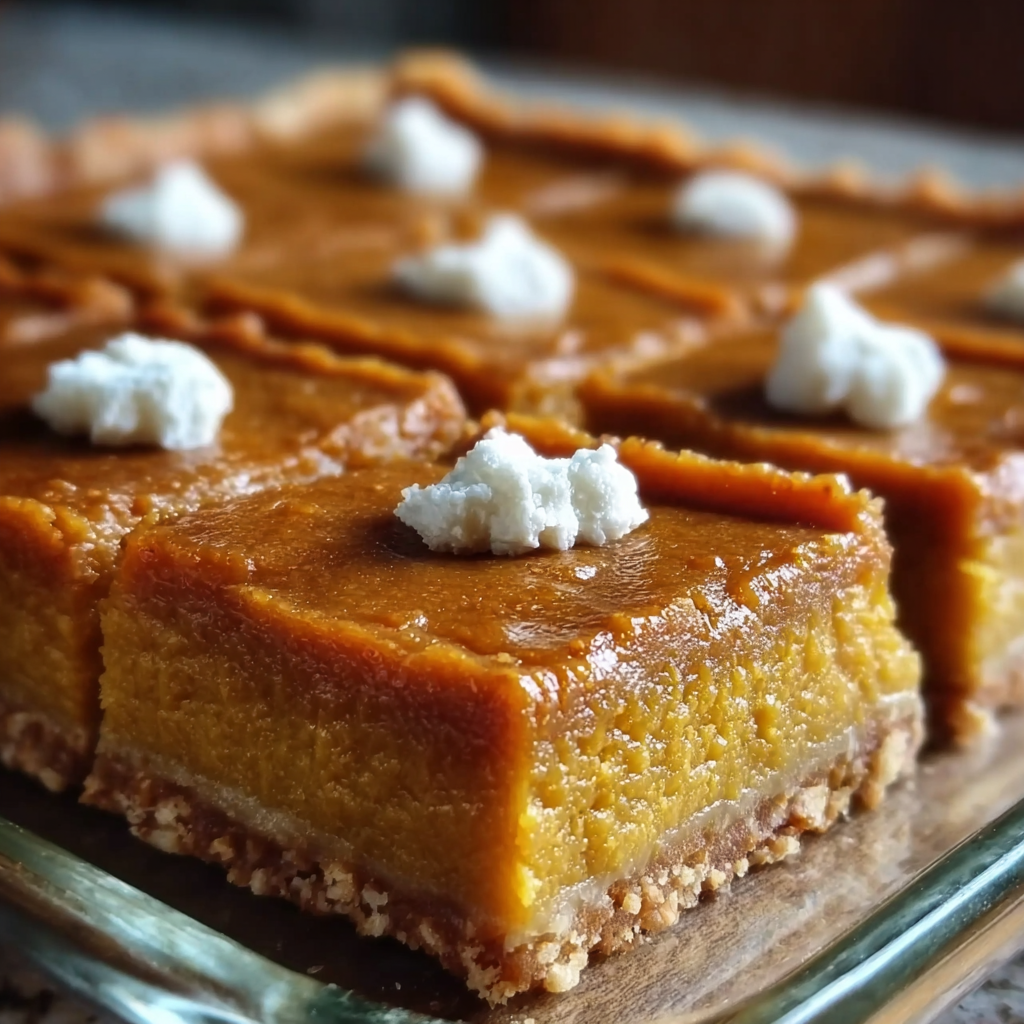
Mix crumbs, ground pecans, and butter. Press into an 8×8 inch pan. Bake at 175°C (350°F) for 10 minutes. Scientific Tip: Pre-baking the crust triggers the Maillard reaction in the pecans, deepening the flavor profile before the wet filling is added.
Step 2: The Filling Emulsion
Whisk the sweet potato, cream, brown sugar, eggs, and spices until ultra-smooth. Actionable Tip: For a restaurant-grade texture, run the sweet potato through a fine-mesh sieve or a food processor to remove any “fibrous” strings.
Step 3: The Custard Set
Pour the filling over the crust and bake at 175°C for 30–35 minutes. Data Insight: The bars are done when the edges are firm but the center has a slight “jiggle.” This indicates the egg proteins have coagulated into a soft lattice rather than a rubbery block.
Step 4: The Meringue Aeration
Beat egg whites and cream of tartar to soft peaks, then slowly add sugar until stiff, glossy peaks form. Gently fold in the marshmallow fluff.
Scientific Insight: The sugar bonds with the water in the egg whites, preventing the foam from “weeping” or collapsing under the heat of the torch.
Step 5: The Thermal Finish
Spread the meringue over the cooled bars. Use a kitchen torch or the oven broiler (on high) for 1–2 minutes to brown the peaks. The Pro Move: Watch for the “marshmallow-toast” smell; this indicates the sugars are caramelizing into complex aromatic compounds.
Nutritional Information
| Metric | Amount Per Bar (1 of 9) |
| Calories | 315 kcal |
| Total Fat | 14g |
| Carbohydrates | 42g |
| Fiber | 3g |
| Protein | 5g |
Healthier Alternatives for the Recipe
- The Low-Sugar Swap: Use Maple Syrup in the filling and replace the meringue with a dollop of Greek Yogurt and Honey.
- The “Healthy Fat” Move: Use Coconut Oil instead of butter in the crust and Coconut Milk in the filling for a dairy-free tropical twist.
- Gluten-Free Version: Use GF Graham Crackers. Since they can be drier, add an extra tablespoon of melted butter to the crust mix.
Common Mistakes to Avoid
- Boiling the Sweet Potatoes: Boiling introduces too much “free water” into the potato cells, which will cause the bars to be watery and the crust to get soggy.
- Using Cold Egg Whites: Cold proteins are “tight” and won’t expand to their full volume. Always use room-temperature whites for the meringue.
- Cutting While Warm: If you cut the bars before they are fully chilled, the sweet potato layers will “smear” and lose their distinct handheld shape.
Conclusion
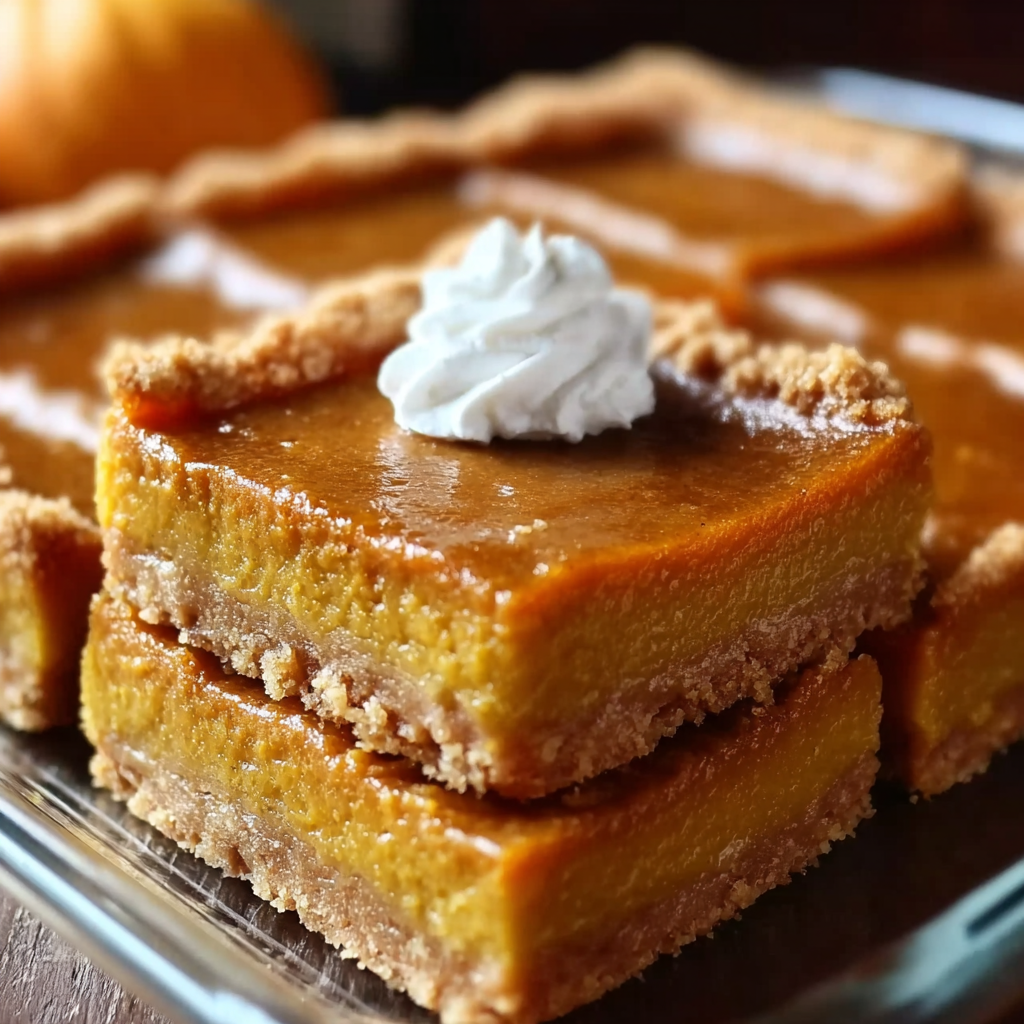
Sweet Potato Pie Bars are a triumph of enzymatic conversion and protein stabilization. By roasting your potatoes to maximize maltose and using a sugar-stabilized meringue, you create a dessert that is statistically more complex and texturally interesting than a standard pie.
Leave a Reply