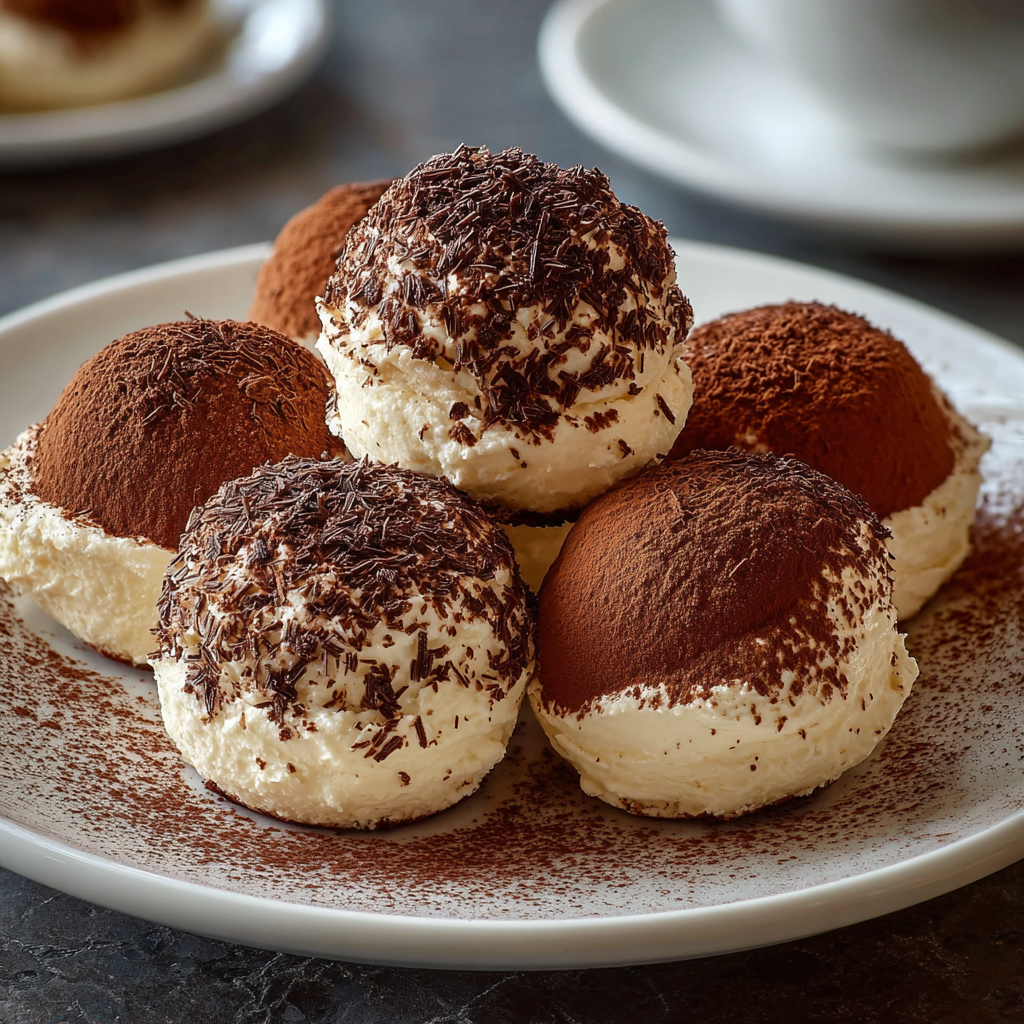
The Architecture of the Portable Classic: Texture and Tempering
In the world of professional confectionery, the Tiramisu Truffle represents a sophisticated structural translation of the classic Italian dessert. While a traditional Tiramisu relies on the “sob” (soaking) of ladyfingers and the airy loft of whipped mascarpone, the truffle version focuses on a High-Density Ganache. Data from pastry science indicates that achieving a “melt-away” center requires a precise 2:1 ratio of chocolate solids to fats, ensuring the truffle remains stable at room temperature while delivering the characteristic “silkiness” of the original dessert.
The technical challenge lies in the Moisture Balance. Introducing coffee and alcohol into a white chocolate base can easily cause the emulsion to “break” (separate). By utilizing a reduction technique for the espresso and folding in the mascarpone at a specific temperature, you create a stable, flavor-dense core that captures the essence of Treviso in a single bite.
The Essential Mise en Place: Ingredients and Technical Specs
To achieve a restaurant-grade finish, the quality of the white chocolate and the fat content of the cheese are the most critical technical decisions.
The Ganache Core (The Heart)
- Premium White Chocolate (300g / 10.5 oz): Use chocolate with at least 30% cocoa butter. Avoid “white chips,” which contain stabilizers that prevent a smooth melt.
- Mascarpone Cheese (120g / 1/2 cup): Must be at room temperature. This provides the essential lactic tang and creamy structure.
- Concentrated Espresso (30ml / 2 tbsp): Use a high-pressure extraction (Ristretto) to provide maximum flavor with minimum liquid volume.
The Aromatic Stabilizers
- Marsala Wine or Dark Rum (1 tsp): To provide the authentic “boozy” back-note of a traditional Tiramisu.
- Pure Vanilla Bean Paste: For visual speckling and deep aromatic complexity.
The “Dusting” Finish
- Dutch-Processed Cocoa Powder: The alkaline finish provides the necessary bitter contrast to the sweet white chocolate.
- Finely Ground Savoiardi (Ladyfingers): Optional, for an added textural “crunch” inside the truffle.
The Masterclass: Step-by-Step Culinary Execution
Phase 1: The Coffee Infusion
Gently melt the white chocolate in a bowl over a pot of simmering water (Bain-Marie). In a separate small vessel, whisk the room-temperature mascarpone with the espresso and Marsala. Expert Tip: Do not add cold cheese to melted chocolate; the temperature shock will cause the cocoa butter to seize.
Phase 2: The Emulsion
Slowly fold the mascarpone-coffee mixture into the melted white chocolate. Use a silicone spatula and work from the center outward. The mixture will initially look “broken” but will come together into a glossy, thick ganache. Refrigerate for 4 hours or until firm enough to scoop.
Phase 3: The Precision Roll
Use a small melon baller or a teaspoon to portion the ganache into 15g spheres. Roll them quickly between your palms. Pro Tip: Keep your hands cold by dipping them in ice water and drying them thoroughly before rolling. This prevents the heat from your skin from melting the truffle surface.
Phase 4: The Bitter-Sweet Finish
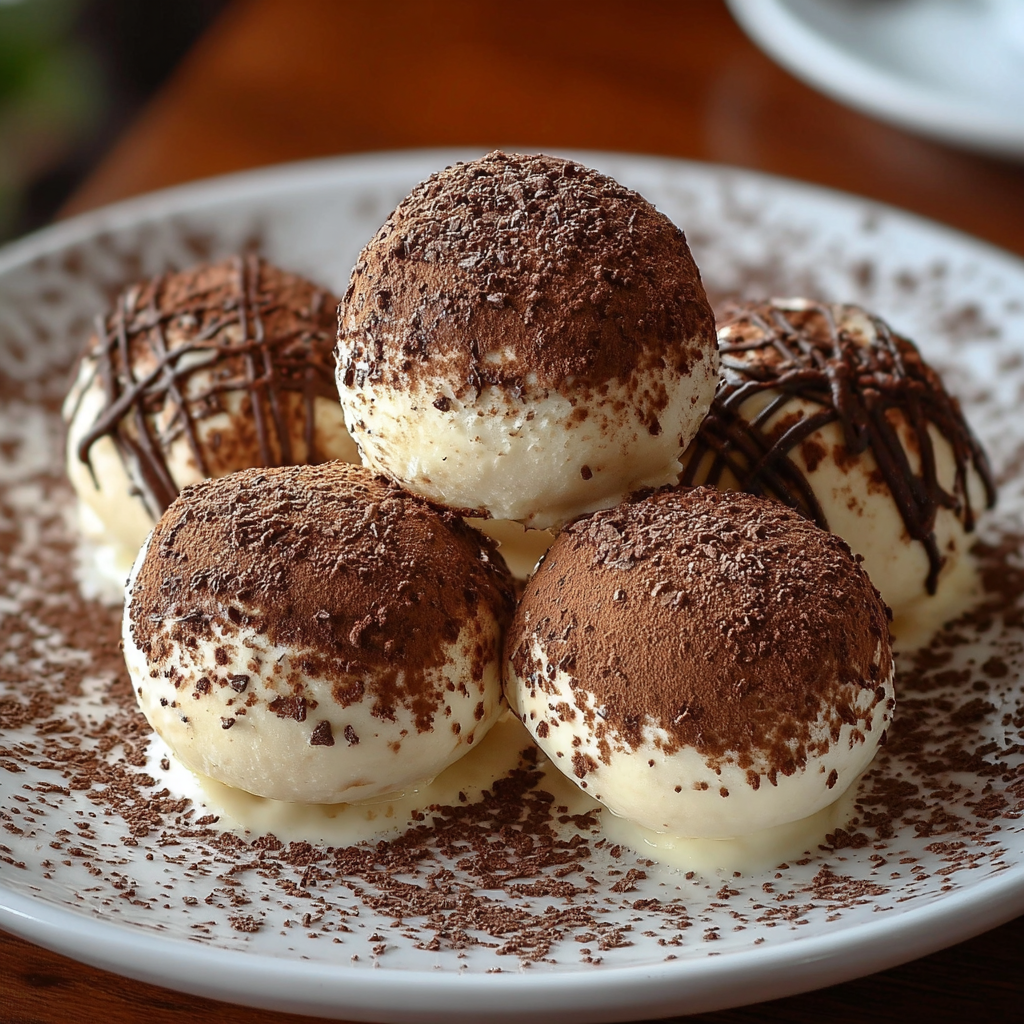
Immediately roll the spheres in a shallow bowl of high-quality cocoa powder. For a professional “double-coat,” let them sit for 10 minutes and roll them in the cocoa a second time. This creates a velvet-like exterior that won’t absorb moisture (weeping) as the truffle sits.
Common Technical Pitfalls to Avoid
- The “Grainy” Center: This happens if the mascarpone is over-beaten before being added to the chocolate. Mascarpone has a very high fat content and can easily turn into “butter” if over-worked.
- The “Soft” Truffle: If your truffles are too soft to hold their shape, the espresso volume was too high. You can fix this by melting in an additional 50g of white chocolate.
- The “Soggy” Coating: If the cocoa powder turns dark and wet, your truffles were too warm when coated. Ensure they are properly chilled before the final roll.
Conclusion: A Masterpiece of Italian Fusion
Tiramisu Truffles are a testament to the fact that complex, multi-layered desserts can be distilled into a minimalist, portable format. By respecting the delicate emulsion of white chocolate and mascarpone and utilizing a concentrated espresso reduction, you produce a confection that is as structurally elegant as it is flavor-focused. It represents the pinnacle of modern “mignardises”—a sophisticated, bite-sized celebration of one of the world’s most beloved desserts.
Frequently Asked Questions (Q&A)
Q: Can I make these without alcohol?
A: Absolutely. Simply replace the Marsala or Rum with an equal amount of vanilla extract or extra espresso. The alcohol provides flavor but is not required for the structural integrity of the ganache.
Q: How long do these stay fresh?
A: Because they contain fresh mascarpone, these truffles must be stored in the refrigerator. They will stay fresh and delicious for up to 7 days in an airtight container.
Q: Can I use dark chocolate instead of white?
A: You can, but it will no longer taste like a Tiramisu. The white chocolate acts as a surrogate for the sweet, eggy zabaglione cream found in the traditional cake. If you use dark chocolate, you will essentially have a “Mocha Truffle.”
Q: Why is my cocoa powder falling off?
A: This happens if the surface of the truffle is too dry. If you’ve let them sit in the fridge too long before rolling, lightly dampen your hands before the final roll to give the cocoa powder something to “grab” onto.
Would you like me to design a “Gift Packaging” guide to help you present these artisanal truffles for a special occasion?
Leave a Reply